# A Comparative Review: Pneumatic Aviation Seats vs. Traditional Truck Seats
In the ever-evolving vehicle seat industry, advancements in technology and design play a pivotal role in enhancing comfort, safety, and overall user experience. Among the plethora of options available today, pneumatic aviation seats and traditional truck seats stand out for their unique features and functionalities. This comparative review aims to explore these two categories of seats—highlighting their construction, technological innovations, ergonomic benefits, and suitability in various working conditions.
## Company Introduction
Before diving into the specifics of pneumatic aviation seats and traditional truck seats, it is essential to recognize the leading professional seat manufacturers that contribute to this dynamic industry. Companies specializing in R&D (Research and Development) are at the forefront of innovation, ensuring that their products meet the diverse needs of users across sectors such as construction, agriculture, and aviation. These manufacturers focus on integrating core technologies into their designs to enhance product advantages like shock absorption, durability, and overall ergonomics.
## Overview of the Vehicle Seat Industry
The vehicle seat industry has seen significant growth over the past few decades, driven by advancements in materials, manufacturing processes, and a growing emphasis on safety and comfort. The increasing demand for specialized seating solutions in various applications—from construction machinery seats for loaders and excavators to farm vehicle seats for tractors and harvesters—has prompted manufacturers to invest heavily in R&D initiatives.
### R&D and Innovations
Pneumatic aviation seats and traditional truck seats are the result of extensive research and testing. Companies invest considerable resources into developing innovative designs that can withstand harsh working conditions while providing maximum comfort. Pneumatic seats, in particular, utilize air suspension systems that allow for a customizable seating experience, adjusting to the user's weight and movement. This adaptability is crucial in aviation, where pilots and crew members require optimal support during long flights.
Traditional truck seats, on the other hand, have historically focused on robust construction and durability. While they may not offer the same level of adjustability as pneumatic seats, contemporary designs are increasingly incorporating ergonomic principles to improve comfort and reduce fatigue during long hours on the road or in the field.
## Construction and Design
### Pneumatic Aviation Seats
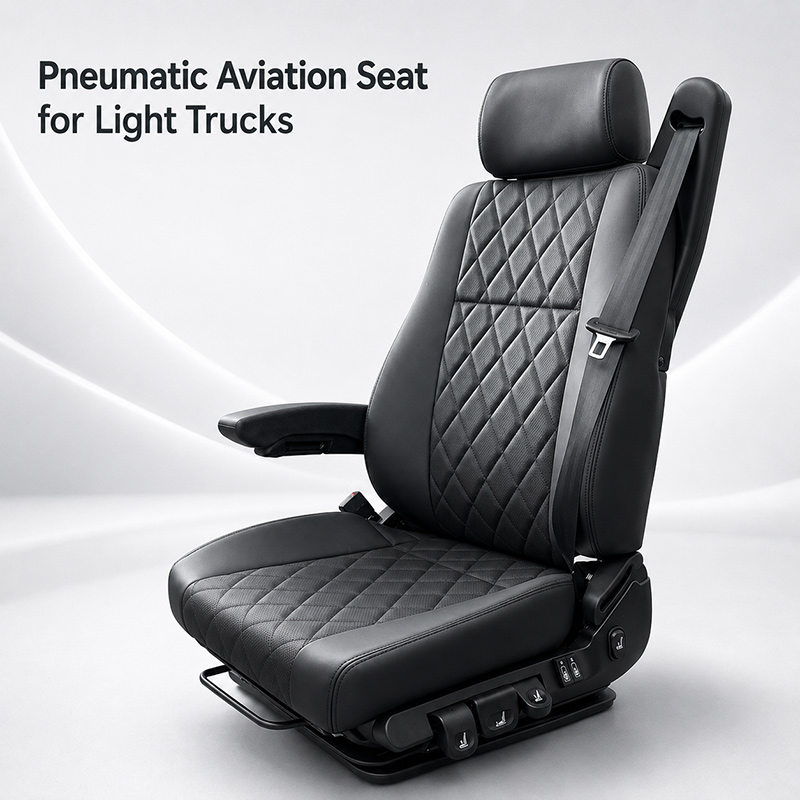
Pneumatic aviation seats are engineered with advanced air suspension systems that work to absorb shocks and vibrations effectively. This technology is particularly beneficial for aviators who often face turbulence and the stresses of flight. The seats are constructed using lightweight yet durable materials, ensuring that they can withstand the rigors of aviation while providing the necessary support.
Key features of pneumatic aviation seats include:
- **Air Suspension System**: This system allows for real-time adjustments based on the pilot's weight and position, optimizing comfort and support.
- **Ergonomic Design**: The seats are designed to contour to the body, promoting healthy posture and reducing strain during extended periods of use.
- **Durability**: Constructed from high-quality materials, these seats are built to last, even under the demanding conditions of aviation.
### Traditional Truck Seats
Traditional truck seats have a more straightforward design, primarily focusing on durability and functionality. While older models may lack advanced features, modern truck seats are increasingly adopting ergonomic principles to enhance driver comfort.
Key characteristics of traditional truck seats include:
- **Robust Construction**: Designed to withstand heavy use, these seats are often made from durable materials that can handle the wear and tear associated with frequent use in various environments.
- **Fixed Positioning**: Unlike pneumatic seats, traditional truck seats usually offer limited adjustability. However, many newer models include basic lumbar support and adjustable headrests.
- **Simplicity**: The uncomplicated design makes them easy to maintain and repair, which is advantageous for operators looking to minimize downtime.
## Ergonomics and User Comfort
In an industry where operators spend countless hours seated, the significance of ergonomic design cannot be overstated. Both pneumatic aviation seats and traditional truck seats aim to enhance user comfort but do so through different methodologies.
### Ergonomics in Pneumatic Aviation Seats
The ergonomic design of pneumatic aviation seats focuses on creating a supportive environment that alleviates pressure points and promotes healthy posture. Features such as adjustable armrests, lumbar support, and customizable seating positions cater to the individual preferences of pilots and crew members.
Moreover, the air suspension system provides dynamic support that adapts to the user's movements, reducing fatigue and discomfort during long flights. This adaptability is vital in ensuring that operators can perform optimally, minimizing distractions caused by discomfort.
### Ergonomics in Traditional Truck Seats
While traditional truck seats may not offer the same level of customization as their pneumatic counterparts, advances in design have greatly improved their ergonomic features. Many modern truck seats come equipped with enhanced lumbar support, adjustable headrests, and cushioning that conforms to the body.
The focus on ergonomics in traditional truck seats also addresses the need for stability and support during rough terrains. The durable build ensures that drivers remain secure in their seats while navigating challenging conditions, allowing them to concentrate on their tasks without the distraction of discomfort.
## Shock Absorption and Durability
One of the critical factors distinguishing pneumatic aviation seats from traditional truck seats is their ability to absorb shocks and vibrations effectively.
### Shock Absorption in Pneumatic Aviation Seats
The air suspension system in pneumatic aviation seats significantly enhances shock absorption capabilities. By utilizing air-filled chambers that adjust according to the user's weight, these seats can effectively dampen the impact of turbulence and sudden movements. This feature is particularly crucial in aviation, where vibrations can lead to fatigue and distraction for pilots.
### Durability in Traditional Truck Seats
Traditional truck seats are designed to endure harsh working conditions, making durability a top priority. These seats often feature reinforced frames and heavy-duty coverings that can resist wear from constant use in rugged environments. While they may not match the shock absorption capabilities of pneumatic seats, their robust construction ensures that they can withstand the demands of daily operations.
## Suitability in Harsh Working Conditions
Both pneumatic aviation seats and traditional truck seats have their unique merits when it comes to performance in harsh working conditions.
### Pneumatic Aviation Seats
Pneumatic aviation seats excel in environments where movement and vibration are prevalent. Their advanced shock absorption technology allows for a comfortable experience even in turbulent situations. Additionally, the lightweight construction aids in maintaining aircraft performance without adding unnecessary weight.
### Traditional Truck Seats
On the other hand, traditional truck seats are engineered for durability and reliability in challenging environments. They are ideal for construction machinery, loaders, excavators, tractors, and harvesters, where robustness and stability are paramount. The straightforward design of traditional truck seats makes them easy to clean and maintain, further enhancing their appeal in tough working conditions.
## Conclusion
In summary, the choice between pneumatic aviation seats and traditional truck seats ultimately depends on the specific requirements of the user and the environment in which they operate. Pneumatic aviation seats offer unparalleled comfort and adaptability, making them ideal for aviation professionals who require optimal support during flights. In contrast, traditional truck seats provide durability and simplicity, making them well-suited for operators in construction and agricultural settings.
As the vehicle seat industry continues to innovate, manufacturers will likely seek ways to combine the best features of both categories, creating seating solutions that offer superior comfort, shock absorption, and durability. Ultimately, whether investing in pneumatic aviation seats or traditional truck seats, understanding the unique advantages of each option will empower consumers to make informed decisions that enhance their overall operational efficiency and comfort.