# A Seat Above the Rest: Comparing Traditional vs. Aviation-Style Seats in Trucks and Buses
In the ever-evolving vehicle seat industry, the design and functionality of seats play a crucial role in enhancing driver and passenger experience. Whether it’s navigating through the rugged terrains in construction machinery or offering comfort in buses that transport hundreds of passengers daily, the type of seat installed can significantly affect performance, safety, and overall satisfaction. This article delves into the comparative analysis of traditional seats versus aviation-style seats in trucks and buses, highlighting the R&D, production, sales dynamics, ergonomics, shock absorption, durability, and product advantages associated with each type.
## Understanding the Vehicle Seat Industry
The vehicle seat industry encompasses a wide range of applications, from construction machinery seats used in loaders, excavators, and tractors to farm vehicle seats found in harvesters and other agricultural machinery. The demand for high-quality seating solutions has led manufacturers to invest heavily in research and development (R&D) to improve comfort, safety, and functionality.
### R&D and Core Technologies
At the heart of advancements in the vehicle seat industry lies R&D. Professional seat manufacturers are continually exploring new core technologies that can enhance ergonomic design, improve shock absorption, and ensure durability. The focus on developing electric aviation air suspension seats is a testament to this commitment. These innovative seats utilize advanced materials and designs to provide unparalleled comfort, making them ideal for long-haul transportation in buses and the demanding environments of construction machinery.
## Traditional Seats: The Tried and Tested Option
Traditional seats have been the mainstay in the vehicle seat industry for decades. Usually constructed from sturdy materials with basic cushioning, these seats are reliable and cost-effective. However, they often lack the advanced features that modern drivers and passengers desire.
### Advantages of Traditional Seats
1. **Cost-Effectiveness**: Traditional seats are generally less expensive to produce, making them a popular choice for budget-conscious consumers and companies.
2. **Simplicity**: The straightforward design and functionality make traditional seats easy to install and maintain.
3. **Durability**: With robust materials, traditional seats can withstand significant wear and tear, making them suitable for heavy-duty applications.
However, despite these advantages, traditional seats may fall short in terms of comfort and advanced features, particularly during long periods of use.
## Aviation-Style Seats: The Future of Comfort
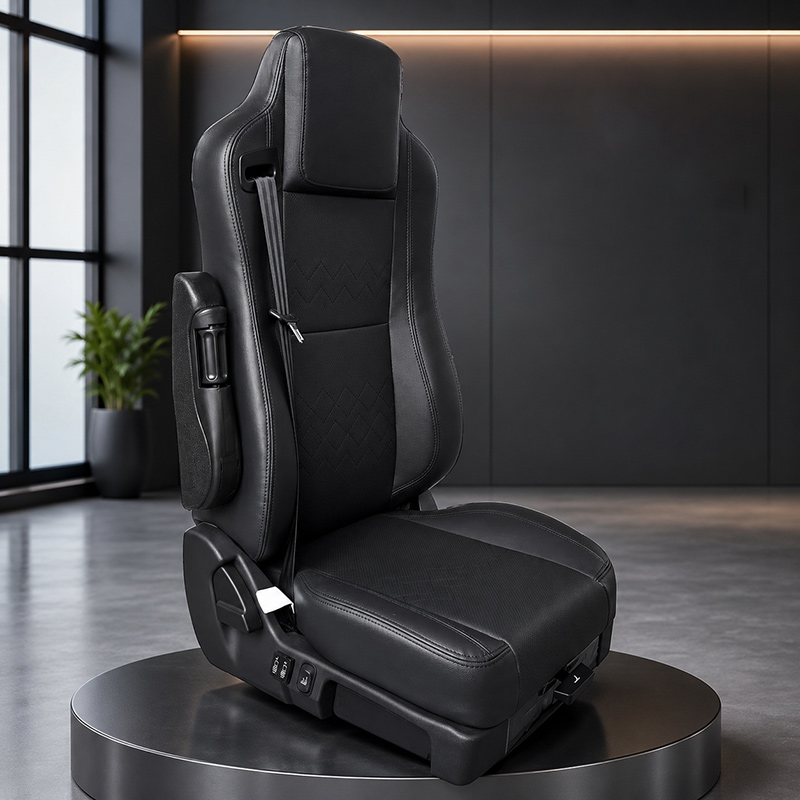
Aviation-style seats, designed with principles derived from airline seating, have begun to gain traction in the vehicle seat industry. Their innovative features cater to both comfort and performance, making them a worthy contender against traditional models.
### Key Features and Advantages of Aviation-Style Seats
1. **Ergonomics**: One of the most significant benefits of aviation-style seats is their ergonomic design. These seats are engineered to support the human body’s natural posture, reducing fatigue and discomfort over long hours of operation.
2. **Shock Absorption**: The incorporation of electric air suspension systems allows aviation-style seats to absorb shocks effectively. This feature is particularly beneficial for operators of construction machinery such as loaders and excavators, where bumpy terrains are common.
3. **Durability**: While traditional seats are known for their robustness, aviation-style seats do not compromise on durability. They are built using high-quality materials designed to withstand harsh conditions and prolonged usage.
4. **Customizability**: Many aviation-style seats offer adjustable features, allowing users to customize their seating position according to preference. This adaptability enhances the user experience significantly.
5. **High-End Electric Air Suspension**: The integration of electric air suspension not only improves ride quality but also provides an added layer of safety by keeping the operator stable during sudden movements.
### Applications in Trucks and Buses
Aviation-style seats are particularly advantageous in trucks and buses, where comfort can affect both driver performance and passenger satisfaction. In commercial vehicles like buses that operate for extended periods, the ergonomic benefits help reduce driver fatigue, thereby enhancing road safety.
## The Sales Dynamics of Seat Solutions
The sales landscape of vehicle seats is influenced by various factors including technological advancements, consumer preferences, and market demands.
### Market Trends
The growing awareness of ergonomics and the importance of comfort in vehicles has shifted consumer preferences towards high-end electric air suspension seats. As more consumers recognize the value of investing in ergonomic seating solutions, professional seat manufacturers are seeing increased demand for aviation-style seats.
Furthermore, with the rise of electric and hybrid vehicles, there is an opportunity for manufacturers to innovate further and integrate these advanced seats into eco-friendly vehicles, expanding their market reach.
### Standard Models vs. High-End Options
While standard models of traditional seats continue to sell well, high-end electric air suspension seats are carving out a niche market. Companies are increasingly opting for premium seating solutions to enhance the driving experience and ensure maximum comfort for operators, especially in demanding sectors like construction and agriculture.
## Conclusion: Choosing the Right Seat Solution
In the comparison between traditional and aviation-style seats in trucks and buses, it is clear that each has its unique set of advantages. Traditional seats offer reliability and cost-effectiveness, making them suitable for budget-sensitive applications. On the other hand, aviation-style seats provide superior ergonomics, shock absorption, and customization options, catering to users who prioritize comfort and long-term usage.
As the vehicle seat industry continues to evolve, the integration of core technologies, R&D efforts, and shifts in consumer preferences will shape the future of seating solutions. Professionals in the industry must stay abreast of these changes, ensuring that they offer products that meet the demands of modern drivers and passengers.
Ultimately, the decision between traditional and aviation-style seats will depend on specific needs and applications. For those seeking enhanced comfort and performance, aviation-style seats present a compelling option that stands a “seat above the rest.”