# Comfort on the Road: How Pneumatic Aviation-Style Seats Enhance the Truck Driving Experience
In today’s fast-paced world, the importance of comfort and ergonomics in vehicle design cannot be overstated. This is especially true for truck drivers who spend long hours behind the wheel navigating varied terrains. As such, the vehicle seat industry has seen significant innovation aimed at enhancing the driving experience. One notable development is the adoption of pneumatic aviation-style seats, which are redefining comfort standards in the trucking industry. In this article, we will explore how these advanced seating solutions improve the truck driving experience and the broader implications for various vehicle sectors including construction machinery, farm vehicles, and more.
## The Evolution of Vehicle Seating
Over the years, the vehicle seat industry has undergone remarkable transformations driven by advancements in Research and Development (R&D). Traditional seats often lacked the necessary support and comfort features required for long-haul journeys. With the increasing emphasis on ergonomics, manufacturers began to focus on developing solutions that cater to the physical needs of drivers.
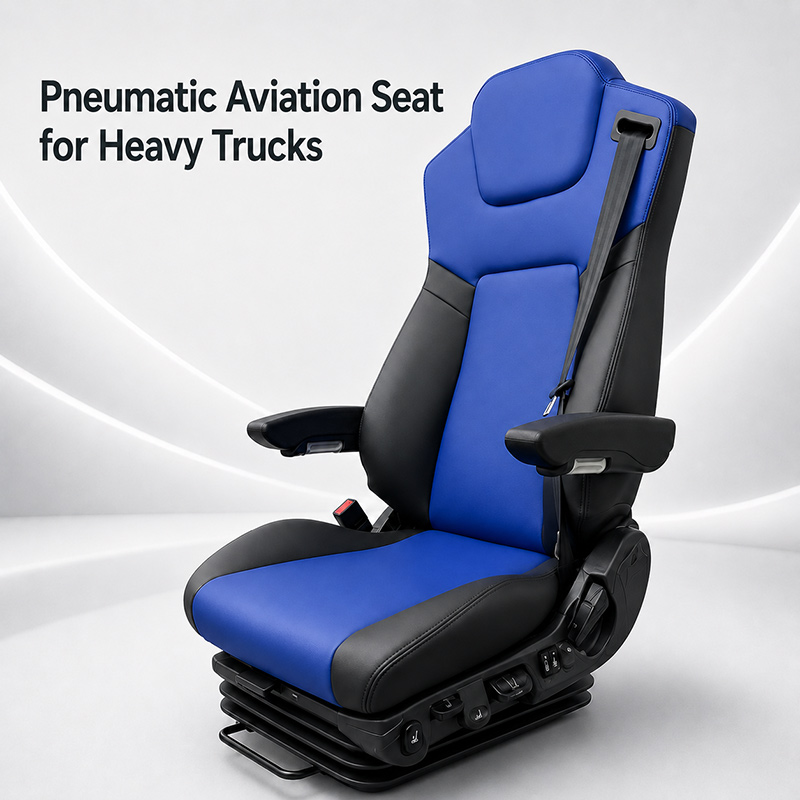
Pneumatic aviation-style seats exemplify this evolution. Initially designed for aircraft, these seats utilize air suspension systems that provide superior shock absorption, effectively mitigating the impact of uneven road surfaces. As a result, they have become increasingly popular in heavy-duty vehicles, including trucks, loaders, excavators, tractors, and harvesters.
## Core Technologies Behind Pneumatic Aviation-Style Seats
The appeal of pneumatic aviation-style seats lies in their innovative core technologies that offer distinct advantages over traditional seating solutions. At the heart of these seats is an air suspension system that adjusts automatically to the weight of the occupant, providing customized support. This not only enhances comfort but also reduces fatigue, allowing drivers to maintain focus and productivity during long drives.
### 1. Ergonomics
Ergonomics is a critical factor in seat design. Pneumatic aviation-style seats are engineered to support the natural curvature of the spine, distribute weight evenly, and minimize pressure points. This is particularly important for truck drivers who may be susceptible to musculoskeletal disorders due to prolonged sitting. By promoting better posture and reducing strain on the back and neck, these seats contribute to overall driver well-being.
### 2. Shock Absorption
One of the standout features of pneumatic seats is their superior shock absorption capability. Unlike conventional seats, which may transfer vibrations directly to the driver, pneumatic seats utilize air cushions that absorb shocks from bumps and potholes. This technology is vital for trucks operating on rugged terrain, where the likelihood of encountering rough roads is high. The enhanced shock absorption not only improves comfort but also increases safety by enabling drivers to maintain better control of their vehicles.
### 3. Durability
In addition to comfort, durability is essential for any vehicle component, especially in demanding environments like construction sites or farms. Pneumatic aviation-style seats are crafted from high-quality materials designed to withstand wear and tear. Professional seat manufacturers focus on producing seats that can endure harsh conditions while maintaining their functionality and aesthetic appeal. The longevity of these seats translates into lower replacement costs and better overall value for companies investing in fleet vehicles.
## The Broader Impact on Vehicle Sectors
While the discussion has primarily revolved around truck driving, the benefits of pneumatic aviation-style seats extend beyond this sector. Various industries, including construction and agriculture, are increasingly adopting these advanced seating solutions to enhance operator comfort and efficiency.
### Construction Machinery Seats
Operators of construction machinery like loaders and excavators face similar challenges to truck drivers. Long hours of operation in demanding conditions can lead to fatigue and discomfort. By integrating pneumatic aviation-style seats into these machines, manufacturers can significantly improve operator experience. Enhanced ergonomics and reduced vibration exposure not only lead to better performance but can also decrease the risk of injury, ultimately benefiting both workers and employers.
### Farm Vehicle Seats
In agriculture, tractor and harvester operators benefit immensely from improved seating solutions. Farming often requires extended periods of operation under varying environmental conditions, making comfort a top priority. High-end electric options allow for further customization, accommodating individual preferences and ensuring that operators can work efficiently without unnecessary strain. These enhancements lead to increased productivity, allowing farmers to focus on their tasks instead of discomfort.
## R&D and Production in the Vehicle Seat Industry
The production of pneumatic aviation-style seats involves meticulous planning and execution. Leading manufacturers invest heavily in R&D to continuously innovate and refine their product offerings. This includes exploring new materials, enhancing manufacturing processes, and incorporating the latest technologies to improve seat functionality.
For instance, the integration of electric controls allows for easy adjustment of seat settings, enabling users to personalize their seating experience based on specific needs. Furthermore, standard models are complemented by high-end electric options, providing a range of choices to meet diverse market requirements.
## Sales and Market Dynamics
With the growing recognition of the benefits offered by pneumatic aviation-style seats, there has been a notable increase in demand across various sectors. This uptick presents an opportunity for professional seat manufacturers to expand their reach and enhance their sales strategies. By highlighting the product advantages—such as improved ergonomics, shock absorption, and durability—manufacturers can attract potential clients looking to upgrade their fleets.
### Marketing Strategies
Effective marketing strategies should focus on educating potential customers about the value of investing in advanced seating solutions. Case studies showcasing the positive impact of pneumatic seats on driver performance and satisfaction can serve as compelling testimonials. Additionally, partnerships with vehicle manufacturers can facilitate the seamless integration of these seats into new models, creating a competitive advantage in the market.
## Conclusion
In conclusion, pneumatic aviation-style seats represent a significant leap forward in the vehicle seat industry, particularly for truck drivers and operators of heavy machinery. Their innovative design, rooted in advanced ergonomics, shock absorption capabilities, and durability, enhances comfort and safety across various applications. As R&D continues to drive advancements in this field, the potential for new and improved seating solutions is limitless.
Investing in high-quality pneumatic seats not only benefits drivers by improving their overall experience but also contributes to enhanced productivity and safety within their respective industries. As more companies recognize the advantages of these cutting-edge seat solutions, we can expect to see a continued shift towards prioritizing comfort on the road and beyond. Ultimately, the evolution of vehicle seating is a testament to the ongoing commitment to improving the driving experience for professionals in all sectors, demonstrating that comfort and performance can indeed go hand in hand.