# Comparing Traditional vs. Shock-Absorbing Seats: Which Is Best for Your Farm?
In the vehicle seat industry, particularly within the realm of agricultural machinery, the importance of selecting the right seating solutions cannot be overstated. Farmers and operators spend long hours in vehicles such as tractors, harvesters, loaders, and excavators, making the comfort and support of the seat critical to overall productivity and health. With advancements in technology, traditional seats are increasingly being compared with shock-absorbing seats, which promise enhanced ergonomics, shock absorption, and durability. This article will explore the differences between these two types of seats, their advantages and disadvantages, and help you determine which is best for your farm.
## Understanding Traditional Seats
Traditional seats in farm vehicles typically consist of a simple design that includes basic cushioning and minimal ergonomic features. These seats are generally manufactured using standard materials and rely on mechanical components for adjustment. While they may serve a functional purpose, they often lack the advanced features that modern operators require for extended use.
### Advantages of Traditional Seats
1. **Cost-Effectiveness**: Traditional seats are usually less expensive than their shock-absorbing counterparts. For farmers operating on tight budgets or those managing multiple pieces of equipment, this can be a significant consideration.
2. **Simplicity of Design**: The straightforward design of traditional seats means they are easier to manufacture and repair. This simplicity also translates into lower maintenance costs over the lifespan of the seat.
3. **Compatibility**: Standard models of traditional seats can often be installed across various types of machinery without specialized modifications. This universality makes them a practical choice for older equipment or machines that do not require high-end seating solutions.
### Disadvantages of Traditional Seats
1. **Limited Ergonomics**: Traditional seats may not provide adequate lumbar support or contouring to fit the operator’s body, leading to discomfort during long hours of use.
2. **Lack of Shock Absorption**: These seats do not feature advanced shock-absorbing technologies, which can result in increased fatigue and discomfort from vibrations and bumps experienced while operating heavy machinery on uneven terrain.
3. **Durability Concerns**: Traditional materials may wear out more quickly under heavy use, leading to increased replacement costs and downtime.
## The Rise of Shock-Absorbing Seats
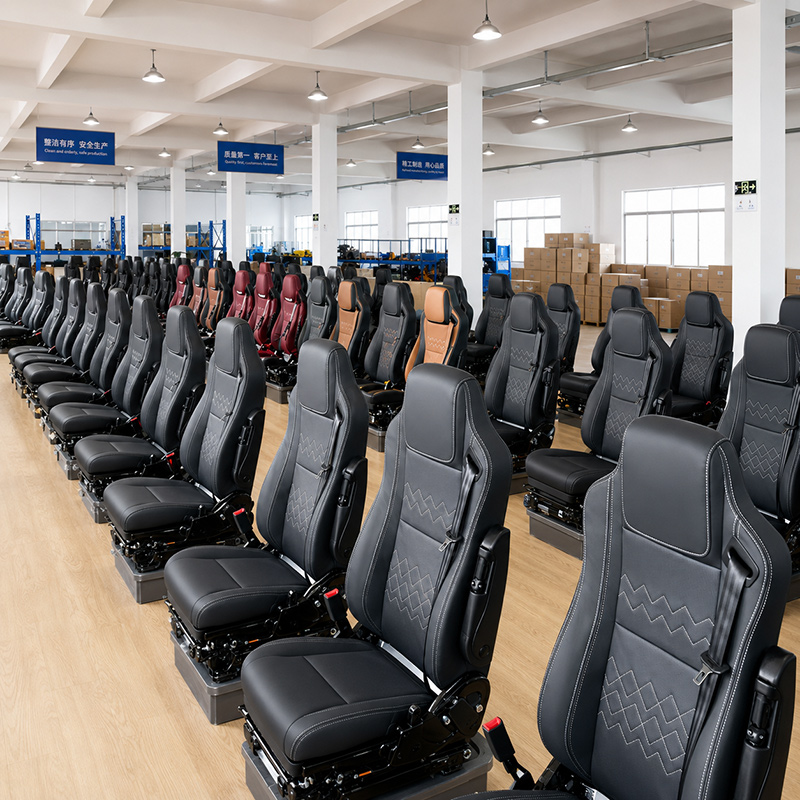
Shock-absorbing seats have emerged as a popular alternative in the vehicle seat industry, particularly for construction machinery seats and farm vehicle seats. These seats incorporate advanced technologies designed to improve operator comfort and reduce fatigue, ultimately enhancing productivity.
### Core Technologies Behind Shock-Absorbing Seats
1. **Air Suspension Systems**: Many high-end shock-absorbing seats utilize air suspension systems, which adjust to the operator's weight and movements in real-time. This dynamic support helps to distribute impact forces evenly, significantly reducing discomfort.
2. **Mechanical Suspension Systems**: Some shock-absorbing seats feature mechanical suspension systems that use springs and dampers to absorb shocks and vibrations. These systems offer a balance between performance and cost.
3. **Advanced Materials**: Shock-absorbing seats are often made from high-quality, durable materials that can withstand the rigors of agricultural work. These materials are designed to resist wear and tear, extending the lifespan of the seat.
### Advantages of Shock-Absorbing Seats
1. **Enhanced Ergonomics**: Shock-absorbing seats are designed with the operator's comfort in mind. Features such as adjustable lumbar support, contoured seating surfaces, and multi-directional armrests ensure that operators maintain proper posture, reducing fatigue and discomfort.
2. **Effective Shock Absorption**: The primary advantage of shock-absorbing seats is their ability to reduce the impact of vibrations and shocks from rough terrain. This capability is crucial for operators who frequently navigate bumpy fields and uneven surfaces.
3. **Improved Durability**: Designed for heavy-duty use, shock-absorbing seats tend to be more robust than traditional seats. Their advanced construction materials and technologies contribute to longer lifespans and lower replacement rates.
4. **Customization Options**: Many professional seat manufacturers offer customizable options for shock-absorbing seats, allowing farmers to tailor their seating solutions to individual preferences and needs.
### Disadvantages of Shock-Absorbing Seats
1. **Higher Initial Cost**: One of the most significant drawbacks of shock-absorbing seats is their higher purchase price compared to traditional models. For some farmers, this upfront investment may deter them from choosing these advanced options.
2. **Complexity in Repair**: Due to their intricate designs and technologies, shock-absorbing seats can be more challenging to repair. In some cases, specialized knowledge or tools may be required for maintenance.
3. **Weight Considerations**: Some shock-absorbing seats can be heavier than traditional seats, which may affect the overall weight distribution of the vehicle, especially in lighter machines.
## Evaluating the Best Option for Your Farm
When determining whether traditional or shock-absorbing seats are the best fit for your farm, several factors must be considered:
### 1. Type of Machinery Used
The type of equipment you operate plays a crucial role in your seat selection. For instance, if you primarily use large tractors or excavators that demand long hours of operation, investing in shock-absorbing seats may yield better comfort and productivity. Conversely, if your equipment is older or less frequently used, traditional seats may suffice.
### 2. Work Environment
Consider the terrain and conditions in which your vehicles will be operating. If you're navigating rough fields, shock-absorbing seats can mitigate the harsh impacts of bumpy rides. If your work involves relatively smooth surfaces, traditional seats may be adequate.
### 3. Budget Constraints
Your budget will significantly influence your decision. While shock-absorbing seats offer many advantages, their higher cost may not be feasible for all farmers. Analyze your financial situation and determine how much you can allocate to seating solutions without compromising other essential aspects of your farm.
### 4. Operator Health and Comfort
Ultimately, the well-being of the operator should be a top priority. If you or your employees experience discomfort or fatigue due to poor seating, investing in shock-absorbing seats could lead to a healthier work environment and improved productivity.
## Conclusion
In the ongoing debate between traditional and shock-absorbing seats, both options present unique advantages and disadvantages. Traditional seats offer cost-effectiveness and simplicity, making them suitable for certain applications. However, for farmers seeking enhanced comfort, ergonomics, and durability, shock-absorbing seats represent a significant advancement in the vehicle seat industry.
As you evaluate your seating solutions, consider the specific needs of your farm, the type of machinery you operate, and the work environment. Regardless of which option you choose, prioritizing the comfort and health of operators will ultimately lead to better productivity and a more efficient farming operation. Investing in the right seating solution can make all the difference in maximizing your farm's potential.