# Best Practices for Maintaining Electric Suspension Seats to Ensure Longevity and Optimal Performance
In the rapidly evolving vehicle seat industry, electric suspension seats have emerged as a key innovation that enhances comfort, ergonomics, and overall ride quality in various applications, from construction machinery to farm vehicles and even aviation. As a professional seat manufacturer, understanding the nuances of maintenance is crucial to ensure that these sophisticated systems perform optimally over their lifespan. This article aims to provide best practices for maintaining electric suspension seats, focusing on longevity and performance, while exploring core technologies, product advantages, and the impact of proper care on durability.
## Understanding Electric Suspension Seats
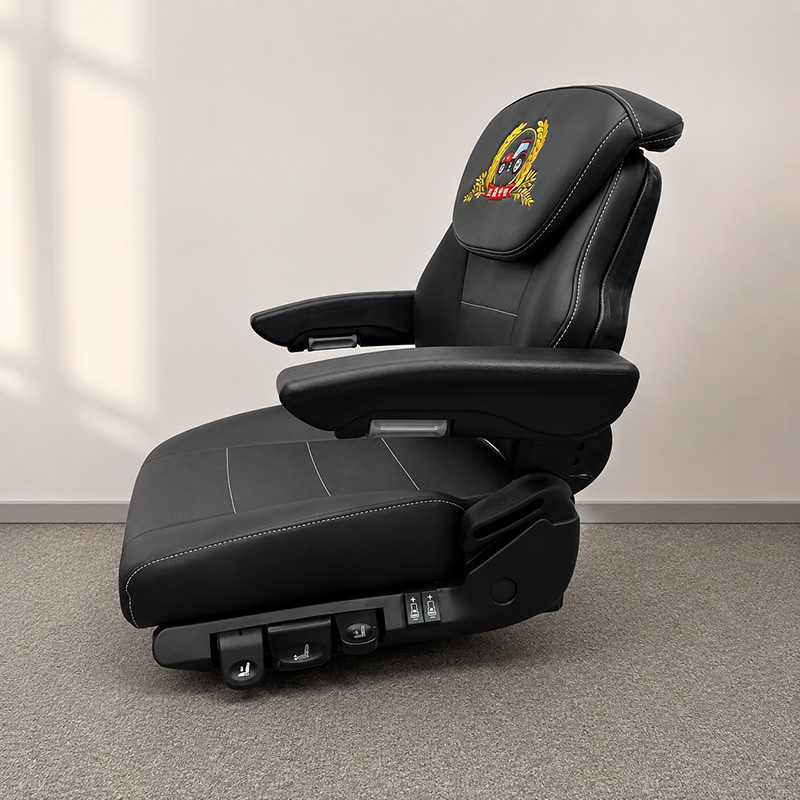
Electric suspension seats utilize advanced technologies to provide superior shock absorption and adaptability to the user's body. They are designed to minimize the effects of vibrations and shocks, which is particularly important in demanding environments such as loaders, excavators, tractors, and harvesters. These seats are equipped with electric actuators that adjust the seat's position and firmness based on real-time feedback from sensors monitoring the driver's posture and weight distribution.
### Core Technologies
The core technologies behind electric suspension seats include:
1. **Actuation Systems**: Electric actuators allow for precise adjustments in height, tilt, and lumbar support, enhancing the ergonomic fit for each user.
2. **Sensors**: Integrated sensors gauge the rider's weight and movement, enabling the seat to adapt in real-time for optimal comfort and support.
3. **Control Units**: Advanced control units manage the seat's adjustments, ensuring a seamless response to changes in the driving environment or user preferences.
4. **Materials**: High-performance materials are utilized in construction to ensure durability and resistance to wear, especially in rugged applications.
## Importance of Maintenance
Maintaining electric suspension seats is essential not only for longevity but also for ensuring safety and optimal performance. Neglected seats can degrade, leading to discomfort, reduced functionality, and even potential hazards during operation. Regular maintenance extends the life of the seat and improves the overall experience for the operator.
## Best Practices for Maintenance
### 1. Regular Inspection
Conducting routine inspections is vital to identify any signs of wear or malfunction early on. Operators should check the following components regularly:
- **Actuators**: Ensure that the electric actuation system is functioning correctly. Listen for unusual noises and monitor for any lag in movement.
- **Sensors**: Confirm that sensors are clean and unobstructed. Dust and debris can interfere with their operation.
- **Cushions and Upholstery**: Inspect for tears, punctures, or signs of excessive wear. Damaged upholstery not only affects comfort but can also expose internal components to moisture and dirt.
- **Mounting Hardware**: Verify that all bolts and screws are tight and secure. Loose hardware can lead to instability and increased wear.
### 2. Cleaning and Care
Proper cleaning is essential for maintaining both the aesthetics and functionality of electric suspension seats:
- **Use Appropriate Cleaning Agents**: Choose non-abrasive cleaners that are safe for the materials used in the seat. Avoid harsh chemicals that can damage upholstery or electronic components.
- **Regular Dusting**: Regularly dust the seat and its components to prevent the accumulation of dirt and debris that could hinder performance.
- **Deep Cleaning**: Periodically, perform a deep cleaning of removable covers and cushions. Follow manufacturer guidelines to avoid damaging electric components.
### 3. Lubrication
Lubrication is critical for moving parts to function smoothly:
- **Actuator Mechanisms**: Apply appropriate lubricants to the actuator mechanisms as recommended by the manufacturer. This reduces friction and wear, promoting longer life.
- **Pivot Points**: Lubricate any pivot points and joints to ensure smooth movement of adjustable components.
### 4. Electrical System Checks
Given the complexity of electric suspension seats, attention must be given to the electrical systems:
- **Wiring and Connectors**: Inspect wiring and connectors for fraying, corrosion, or loose connections. Ensure all connections are secure to prevent electrical failures.
- **Battery Health**: If the seat has a dedicated power source, monitor battery health and performance. Replace batteries as needed to avoid unexpected failures during use.
### 5. Calibration and Adjustment
Regular calibration ensures that the seat maintains its responsiveness to user input:
- **Sensor Calibration**: Follow manufacturer guidelines to calibrate sensors periodically. This ensures they accurately measure weight and adjust accordingly.
- **User Adjustments**: Encourage operators to familiarize themselves with the adjustment features of the seat. Proper settings can greatly enhance comfort and reduce strain during operation.
### 6. Follow Manufacturer’s Recommendations
Every manufacturer will have specific guidelines for maintaining their electric suspension seats. Following these recommendations is crucial for warranty preservation and optimal performance:
- **Maintenance Schedule**: Adhere to the suggested maintenance schedule provided by the manufacturer, which may include specific intervals for inspections and component checks.
- **Parts Replacement**: Use only genuine parts for replacements to maintain performance and safety standards.
### 7. Training and Awareness
Educating operators about the importance of proper seat maintenance can significantly reduce wear and extend the life of the seat:
- **Workshops**: Conduct training sessions that cover how to inspect, clean, and adjust the seats properly.
- **User Manuals**: Provide comprehensive user manuals that detail maintenance procedures, troubleshooting tips, and operational guidelines.
## Conclusion
In conclusion, maintaining electric suspension seats is not merely an ancillary task; it is integral to ensuring longevity, safety, and optimal performance across various applications, including construction machinery, farm vehicles, and aviation. By adhering to best practices such as regular inspections, cleaning, lubrication, electrical system checks, calibration, following manufacturer guidelines, and fostering operator awareness, stakeholders in the vehicle seat industry can maximize the benefits of their products.
As the R&D (Research and Development) landscape continues to innovate within the industry, understanding the nuances of maintenance will become increasingly important. A commitment to proper care and attention to detail will not only enhance the user experience but also solidify the reputation of professional seat manufacturers as leaders in providing high-end electric suspension seat solutions that prioritize ergonomics, shock absorption, and durability.