# How Pneumatic Technology Can Reduce Driver Fatigue on Long Hauls
In today's fast-paced world, long-haul driving has become an essential component of various industries ranging from logistics to agriculture. However, prolonged periods spent behind the wheel can lead to driver fatigue, which not only affects personal well-being but also poses significant risks to safety and efficiency. One of the most innovative solutions to combat this issue lies in the integration of pneumatic technology into vehicle seating systems. This article explores how pneumatic technology can enhance driver comfort and performance, particularly within the vehicle seat industry, while detailing its application across multiple sectors including construction machinery, farm vehicles, and electric aviation.
## Understanding Pneumatic Technology
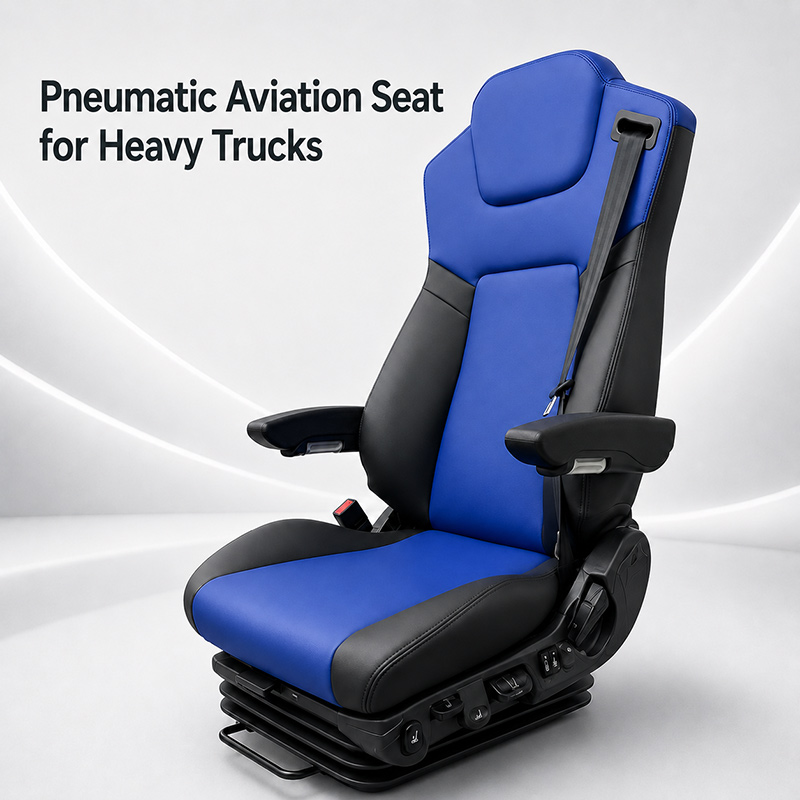
Pneumatic technology refers to the use of compressed air to create and control motion. In the context of vehicle seats, this technology utilizes air-filled chambers within the seat structure that can be inflated or deflated to adjust firmness, height, and support according to the driver's unique physique and preferences. This ability to customize the seating experience is critical for reducing driver fatigue during long hauls.
### The Role of R&D in Advancing Pneumatic Seat Solutions
The development of advanced pneumatic seat systems is rooted in extensive research and development (R&D) efforts by professional seat manufacturers. These manufacturers invest heavily in understanding the ergonomics of human posture, the biomechanics of sitting, and the environmental conditions drivers face. By conducting rigorous testing and applying core technologies, they are able to innovate new products that offer significant advantages in terms of comfort, shock absorption, and durability.
### Product Advantages of Pneumatic Seats
1. **Ergonomics**: One of the primary advantages of pneumatic seats is their ergonomic design. Unlike traditional fixed seats, pneumatic systems allow for dynamic adjustments that conform to the driver's body. This customization reduces pressure points and promotes better blood circulation, which is crucial during long driving sessions.
2. **Shock Absorption**: Long-haul drivers often encounter bumpy roads and rough terrains, especially in sectors like construction and agriculture where loaders, excavators, tractors, and harvesters are commonplace. Pneumatic seats excel in shock absorption, effectively mitigating the impact of road irregularities and ensuring a smoother ride. This feature not only enhances comfort but also protects the driver’s spine and joints from excessive strain.
3. **Durability**: Given the demanding environments in which these vehicles operate, durability is a key consideration. Pneumatic seat systems are engineered to withstand harsh conditions, making them suitable for both construction machinery and farm vehicles. They are designed with high-quality materials that resist wear and tear, ensuring long-term reliability.
4. **Load Capacity**: Pneumatic seats can be tailored for various load capacities, making them versatile for different types of vehicles. For example, professional seat manufacturers produce standard models for general utility as well as high-end electric options for specialized applications in aviation.
5. **Customization**: The flexibility of pneumatic technology allows for a wide range of configurations. Drivers can adjust seat height, backrest angle, and lumbar support, tailoring the seat to their specific needs. This level of customization is particularly beneficial for operators who may spend extended hours driving, as it ensures optimal comfort and support.
### Applications of Pneumatic Technology in Various Sectors
#### Construction Machinery Seats
In the construction industry, operators of heavy machinery such as loaders and excavators face significant challenges related to driver fatigue. The constant vibrations and jolts from operating heavy equipment can lead to discomfort and reduced focus. Pneumatic seats equipped with advanced shock-absorbing capabilities minimize these effects, allowing operators to maintain concentration and productivity over long shifts.
#### Farm Vehicle Seats
Similarly, in agricultural settings, the use of pneumatic technology in farm vehicle seats provides significant benefits. Farmers often work long hours in tractors and harvesters, traversing uneven fields and enduring variable weather conditions. The ergonomic design and adaptability of pneumatic seats help reduce fatigue, enabling farmers to perform tasks more efficiently and with greater comfort.
#### Electric Aviation Air Suspension Seats
The advent of electric aviation has introduced new challenges and opportunities in the realm of seating technology. High-end electric aviation air suspension seats incorporate pneumatic systems to provide unparalleled comfort for pilots and passengers alike. These systems automatically adjust to changes in altitude and pressure, ensuring optimal support throughout the flight. By reducing fatigue, these seats enhance overall flight safety and performance.
### Impact on Sales and Production
As the demand for advanced seating solutions continues to grow, so too does the importance of pneumatic technology in the vehicle seat industry. Professional seat manufacturers are increasingly prioritizing R&D initiatives that focus on developing innovative pneumatic systems. This shift not only improves product offerings but also drives sales as customers recognize the value of investing in comfort and safety.
Manufacturers are now producing a range of models that cater to diverse market needs, from standard configurations for everyday vehicles to high-end electric seats for specialized applications. This broad spectrum of product offerings enables companies to capture a wider audience and respond to varying customer preferences.
### Conclusion
In conclusion, pneumatic technology represents a transformative approach to enhancing driver comfort and reducing fatigue during long hauls. By focusing on ergonomics, shock absorption, durability, and customization, pneumatic seat systems provide significant advantages across various industries, including construction and agriculture. The ongoing commitment to R&D among professional seat manufacturers highlights the importance of innovation in creating effective seat solutions that meet the evolving demands of drivers.
As industries continue to evolve and adapt to new challenges, the integration of advanced pneumatic technology in vehicle seating will remain a cornerstone of improving the driving experience. By investing in these sophisticated seat solutions, companies not only enhance the comfort and safety of their operators but also contribute to increased productivity and efficiency in their operations. Ultimately, the adoption of pneumatic technology is a strategic move towards fostering a safer and more sustainable future for long-haul driving.