# How Shock-Absorbing Seats Improve Operator Safety and Reduce Fatigue
In an era where operator safety and comfort are paramount, the vehicle seat industry is evolving rapidly to meet the demands of various sectors, including construction, agriculture, and aviation. The focus on R&D (Research and Development) has led to the creation of advanced shock-absorbing seats that significantly enhance operator safety and reduce fatigue during prolonged work hours. This blog article delves into the intricacies of how these innovative seating solutions benefit operators, manufacturers, and the industries they serve.
## Understanding the Importance of Seating in Heavy Machinery
Heavy machinery operators, whether driving excavators, loaders, tractors, or harvesters, often face challenging working conditions. These vehicles are subjected to rugged terrains, vibrations, and jolts that can lead to operator discomfort and fatigue over time. In response, the vehicle seat industry has turned its attention to developing seats specifically designed to mitigate these issues.
### The Role of Shock Absorption in Operator Safety
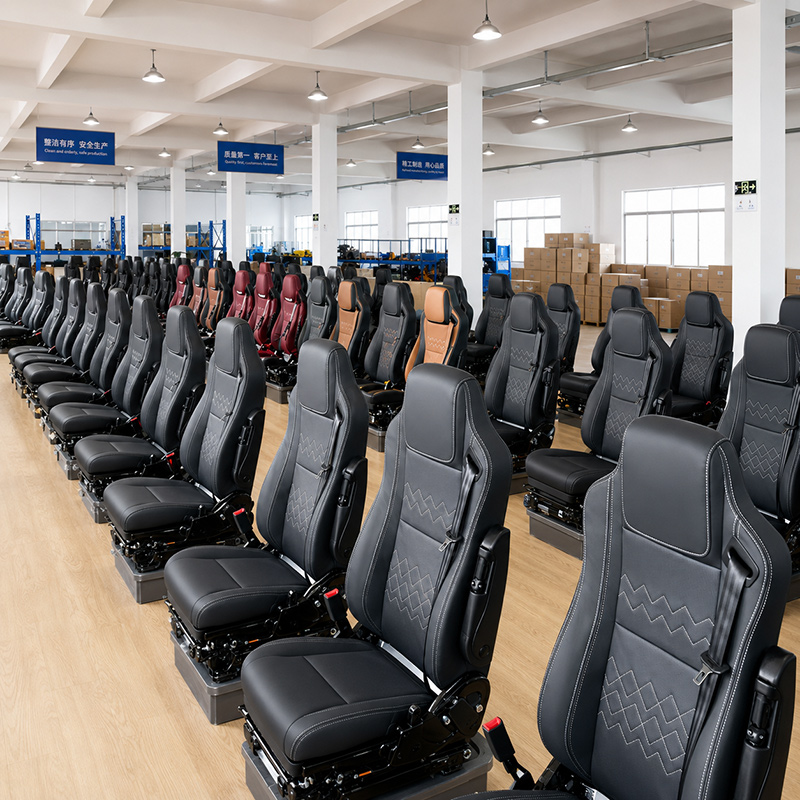
Shock absorption is a critical factor in ensuring the safety of operators who navigate uneven surfaces or operate machinery with significant power. Traditional seats, often made from basic materials, do not adequately address the inherent risks associated with heavy equipment operation. Shock-absorbing seats, on the other hand, utilize specialized technologies and materials engineered to absorb vibrations and shocks, thereby protecting the operator’s body.
#### Core Technologies in Shock-Absorbing Seats
Professional seat manufacturers have invested heavily in core technologies that facilitate effective shock absorption. Key features typically include:
1. **Air Suspension Systems**: These systems use compressed air to cushion the seat, adjusting automatically to the operator's weight and movements. This dynamic support offers unparalleled comfort and stability.
2. **Hydraulic Dampers**: Hydraulic dampers are engineered to dissipate energy from impacts, reducing the intensity of shocks felt by the operator. This technology is particularly effective in construction machinery seats where sudden jolts are common.
3. **Foam Cushioning**: High-density foam cushioning molds to the operator's body while providing adequate support. It helps distribute pressure evenly, preventing localized stress points that can lead to discomfort.
4. **Ergonomic Designs**: Ergonomics play a significant role in the design of shock-absorbing seats. These designs take into account the natural posture of the human body, promoting healthy spinal alignment and reducing strain on muscles and joints.
### Product Advantages of Shock-Absorbing Seats
The benefits of incorporating shock-absorbing seats into heavy machinery cannot be overstated. Here are some of the key advantages:
1. **Enhanced Operator Safety**: By minimizing the effects of shocks and vibrations, these seats help reduce the risk of injuries related to fatigue, such as musculoskeletal disorders. Operators are less likely to experience back pain, neck strain, or other physical ailments associated with prolonged exposure to harsh operating conditions.
2. **Reduced Fatigue**: Continuous exposure to vibrations can lead to mental and physical fatigue, impairing an operator's performance and reaction times. Shock-absorbing seats provide a more comfortable working environment, allowing operators to maintain focus and productivity throughout their shifts.
3. **Improved Productivity**: When operators are comfortable and safe, productivity naturally increases. They can work longer hours without the distraction of discomfort, leading to more efficient completion of tasks.
4. **Longevity of Equipment**: A well-designed seat can also contribute to the longevity of the machinery itself. By absorbing shocks, these seats help reduce wear and tear on the vehicle’s internal components, leading to lower maintenance costs and extended service life.
5. **Customization Options**: Many professional seat manufacturers offer a variety of standard models along with high-end electric options that can be tailored to specific operational needs. Customization can include adjustable settings for height, tilt, and lumbar support, catering to different operator preferences.
## Industry Applications for Shock-Absorbing Seats
### Construction Machinery Seats
In the construction industry, operators frequently deal with uneven ground, heavy loads, and high-impact operations. Shock-absorbing seats designed for loaders and excavators are essential. These seats not only improve comfort but also ensure that operators remain alert and safe while navigating challenging environments.
### Farm Vehicle Seats
Agricultural machinery, such as tractors and harvesters, requires robust seating solutions that can withstand prolonged use. Farmers working long hours need seats that offer superior shock absorption capabilities to counteract the vibrations from rough terrain. The addition of ergonomic designs further enhances comfort, allowing farmers to concentrate on their tasks without the distraction of fatigue.
### Electric Aviation Air Suspension Seats
As the aviation industry shifts towards electric solutions, air suspension seats are becoming increasingly popular. These seats provide the necessary support and comfort in a compact design suitable for aircraft interiors. The technology employed in these seats must comply with strict safety regulations while ensuring a pleasant flying experience for pilots and passengers alike.
## Research and Development Trends
To stay competitive, the vehicle seat industry is continuously exploring new materials and technologies through R&D initiatives. Innovations such as smart seating systems, which can monitor the operator's posture and adjust automatically, are on the horizon. Furthermore, integrating sustainability into production processes is becoming a priority, with manufacturers exploring eco-friendly materials without compromising quality and durability.
### The Future of Shock-Absorbing Seats
Looking ahead, the future of shock-absorbing seats appears promising. As industries evolve, the demand for more sophisticated seating solutions will continue to rise. Manufacturers will likely focus on the following trends:
1. **Smart Technology Integration**: The incorporation of IoT (Internet of Things) technology could allow seats to communicate with the vehicle's systems, providing real-time data on operator health and performance.
2. **Sustainability Initiatives**: With growing concern about environmental impact, manufacturers may prioritize eco-friendly materials and practices in their production processes.
3. **Advanced Materials**: Research into new materials that offer better shock absorption and durability without increasing weight will likely enhance product offerings.
4. **Customization and Comfort**: As operators' needs become more diverse, customization options will expand, allowing for a personalized seating experience that maximizes comfort and safety.
## Conclusion
Shock-absorbing seats represent a significant advancement in operator safety and comfort across various industries, including construction, agriculture, and aviation. Through continued investment in R&D, manufacturers are developing innovative solutions that not only enhance the operator’s experience but also contribute to overall productivity and equipment longevity. As the vehicle seat industry evolves, embracing new technologies and sustainable practices will be crucial in meeting the ever-changing needs of operators worldwide. Ultimately, the integration of shock-absorbing seats is not just a matter of comfort—it's an essential component of maintaining a safe and efficient working environment.