# Maximizing Comfort on the Field: The Importance of Ergonomics in Tractor Design
In today's fast-paced agricultural landscape, maximizing efficiency and ensuring operator comfort are paramount. Farmers, operators, and construction workers spend long hours in their machinery, making the design and ergonomics of vehicle seats a critical factor in productivity. This article delves into the significance of ergonomics in tractor design, exploring how advancements in the vehicle seat industry can lead to enhanced comfort, improved performance, and a healthier workforce.
## The Role of Ergonomics in Vehicle Seat Design
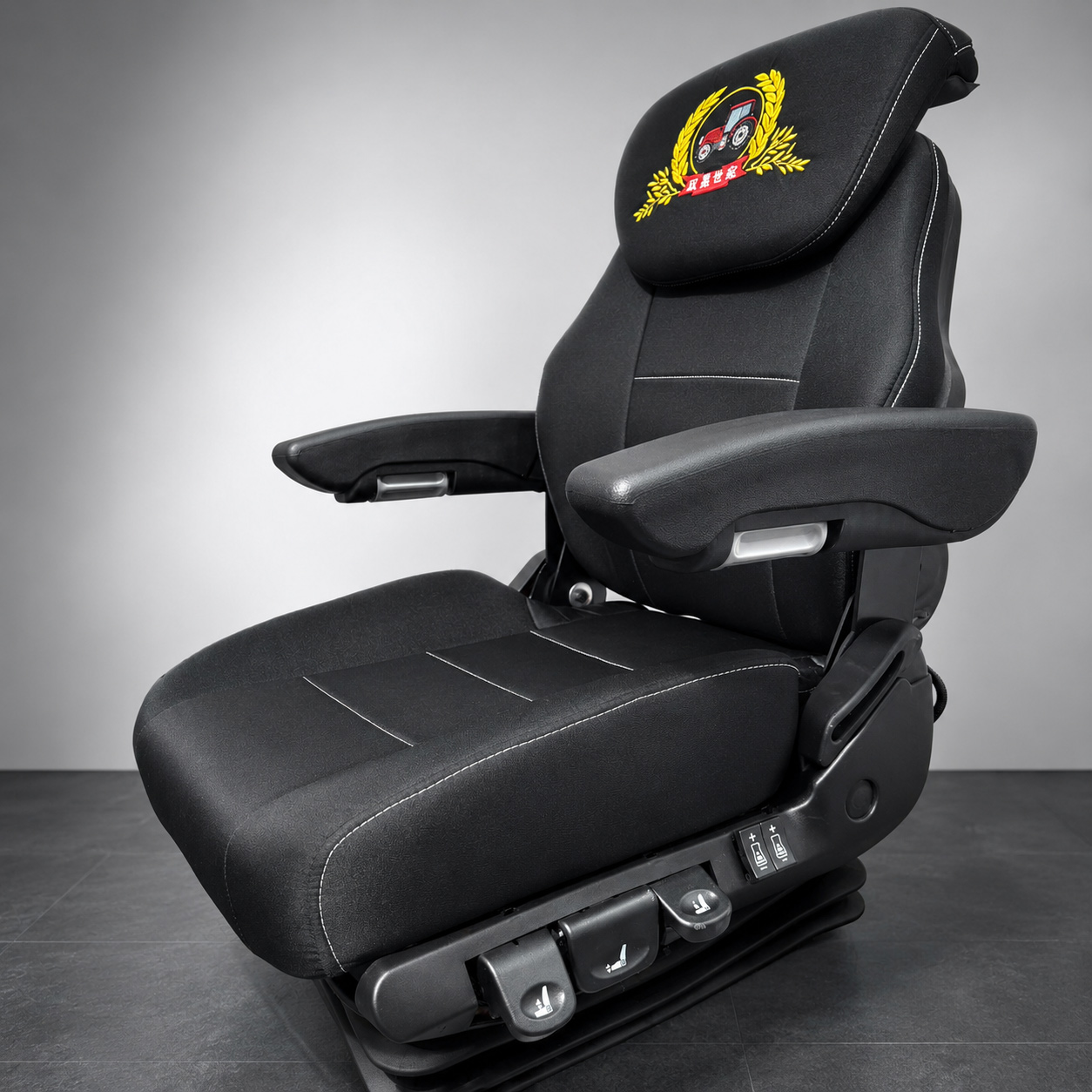
Ergonomics, the science of designing equipment and devices that fit the human body, is crucial in the development of vehicle seats—especially for tractors, loaders, excavators, and harvesters. The right ergonomic design reduces fatigue and discomfort, allowing operators to focus on their tasks without the distraction of physical strain.
### Core Technologies in Ergonomic Seat Design
Professional seat manufacturers invest heavily in R&D (Research and Development) to create seats that cater to the specific needs of their users. The core technologies used in modern seat design include:
1. **Shock Absorption**: Effective shock absorption mechanisms are essential for reducing the impact of bumps and jolts encountered in rugged terrains. High-end electric air suspension seats utilize advanced technology to adjust dynamically to the weight and movements of the operator, providing a smoother ride.
2. **Adjustability**: Ergonomic seats must be adjustable to accommodate different body types and preferences. Features such as height adjustment, lumbar support, and reclining capabilities ensure that every operator can find their optimal seating position.
3. **Durability**: Construction machinery and farm vehicle seats must withstand harsh working environments. The materials used in these seats are engineered for durability, resisting wear and tear from exposure to elements like rain, dust, and chemicals.
4. **Ventilation**: Operators often work in high-temperature environments, making ventilation a critical component. Seats with breathable materials and airflow systems help maintain a comfortable temperature throughout long workdays.
5. **Safety Features**: Ergonomic design also emphasizes safety. Incorporating features such as seat belts and side bolsters can help secure the operator, minimizing the risk of injury during sudden movements or accidents.
## The Product Advantages of Ergonomically Designed Seats
The benefits of investing in high-quality ergonomic seats extend beyond mere comfort. For professional seat manufacturers, highlighting product advantages is key to attracting both R&D investments and sales. Some notable advantages include:
1. **Increased Productivity**: Comfortable operators are more productive. Reducing fatigue leads to longer periods of focused work, which can significantly impact overall job performance and output in farming and construction operations.
2. **Lower Injury Rates**: Ergonomic seats can help prevent musculoskeletal disorders (MSDs) that result from prolonged sitting in uncomfortable positions. By prioritizing the operator's health, companies can reduce medical costs and absenteeism related to injuries.
3. **Enhanced User Experience**: An operator who feels comfortable is more likely to have a positive experience with the machinery. This satisfaction can translate into brand loyalty and repeat purchases, driving sales for manufacturers.
4. **Adaptability Across Models**: Many ergonomic design principles can be adapted across various vehicle types, including standard models and high-end electric options. This versatility allows manufacturers to streamline production processes while offering tailored seat solutions for different markets.
## The Intersection of Ergonomics and Market Demand
As the demand for efficient agricultural and construction machinery grows, so does the need for innovative ergonomic solutions. The vehicle seat industry has seen a significant transformation, driven by consumer expectations and technological advancements.
### Market Trends
1. **Rise of Electric Vehicles**: With the increasing popularity of electric tractors and machinery, the demand for advanced seat technologies has surged. Electric aviation air suspension seats are gaining traction in this sector, offering unparalleled comfort and sustainability.
2. **Customization**: Operators seek personalized experiences. Manufacturers are responding by offering customizable seat options that allow users to select features that best suit their needs, enhancing comfort and usability.
3. **Focus on Sustainability**: As awareness of environmental issues grows, manufacturers are incorporating sustainable materials and practices into their production processes. This shift not only appeals to eco-conscious consumers but also aligns with broader industry trends toward green technology.
4. **Integration of Smart Technologies**: The integration of smart technologies into seat design is a growing trend. Features like built-in sensors that monitor posture and fatigue levels can provide real-time feedback to operators, encouraging them to adjust their position when needed.
## Implementing Ergonomics in Production
For manufacturers looking to implement ergonomic principles into their production lines, several strategies can be employed:
1. **Conducting User Research**: Engaging with end-users to gather feedback about their experiences can inform design decisions. Focus groups and surveys can uncover pain points and preferences that guide R&D initiatives.
2. **Prototyping and Testing**: Before mass production, creating prototypes and rigorously testing them under various conditions ensures that the final product meets ergonomic standards. This iterative process allows for adjustments based on real-world usage.
3. **Collaborative Design**: Collaborating with ergonomic specialists and industrial designers can enhance the design process. Their expertise can inform best practices and innovative approaches to solving common seating challenges.
4. **Continuous Improvement**: The vehicle seat industry should embrace a culture of continuous improvement. Regularly updating existing models based on new research findings or user feedback will keep products relevant and competitive.
## Conclusion
Maximizing comfort on the field is not just a matter of luxury—it's a necessity for productivity and operator well-being. The importance of ergonomics in tractor design cannot be overstated; it encompasses everything from shock absorption to durability, directly impacting the efficiency of agricultural and construction operations.
As the vehicle seat industry continues to evolve, manufacturers must prioritize ergonomic design in their R&D efforts, ensuring that they meet the demands of an ever-changing market. By focusing on the product advantages of ergonomic solutions, companies can enhance operator comfort, reduce injury rates, and ultimately improve productivity in the field.
In a world where time is money, investing in high-quality, ergonomic seats for tractors and other heavy machinery is not just an option—it's an imperative for success in the agriculture and construction sectors.