# Sustainability in Construction: The Environmental Impact of Electric Aerial Bases
## Introduction
In the ever-evolving field of construction, sustainability has become a pivotal focus. As industries strive to reduce their carbon footprints and promote environmentally friendly practices, the role of innovative technologies cannot be overstated. Among these innovations is the development of electric aerial bases—vehicles equipped with advanced seating solutions that not only enhance comfort and safety but also contribute significantly to sustainability efforts. This blog post delves into the environmental impact of such technologies, particularly in the context of the vehicle seat industry.
## Company Introduction
As a leading professional seat manufacturer, our company specializes in designing and producing high-performance seating solutions tailored for various applications, including construction machinery and agricultural vehicles. Through extensive research and development (R&D), we have positioned ourselves at the forefront of the vehicle seat industry, continuously pushing the boundaries of ergonomics, durability, and shock absorption. Our commitment to sustainability drives every aspect of our production and sales processes, ensuring that our products not only meet industry standards but also contribute positively to the environment.
## The Vehicle Seat Industry
The vehicle seat industry encompasses a wide range of products designed for different vehicle types, including construction machinery, farm vehicles, loaders, excavators, tractors, and harvesters. Each of these applications demands specific seating solutions that ensure operator comfort, safety, and productivity. However, with the growing emphasis on sustainability, the industry faces increasing pressure to develop products that are not only efficient but also eco-friendly.
### R&D and Core Technologies
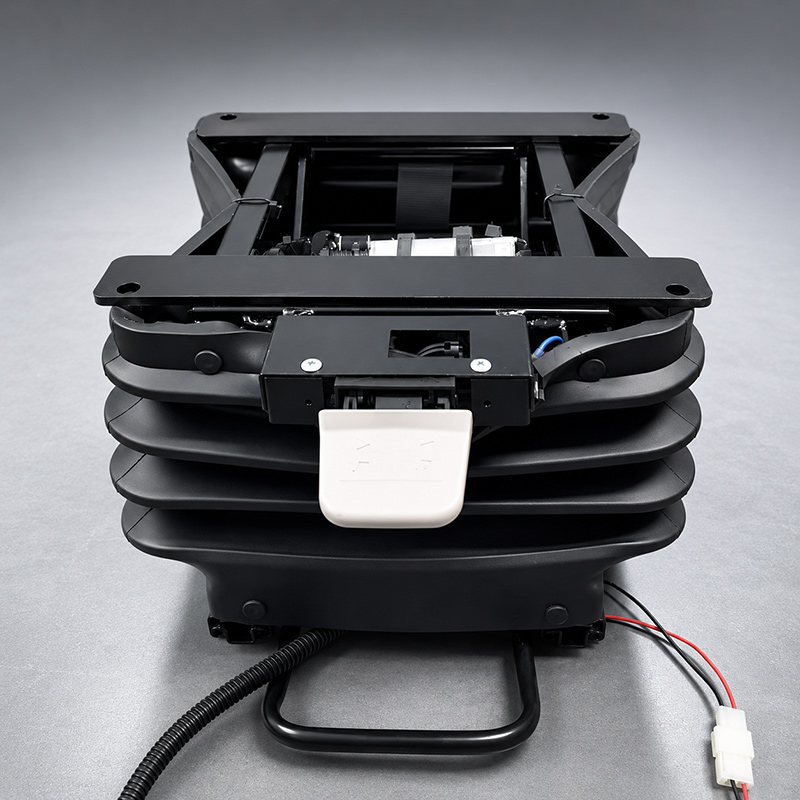
Our company's success can be attributed to our robust R&D initiatives, which focus on developing core technologies that enhance product performance while minimizing environmental impact. We invest significantly in researching new materials and manufacturing processes that reduce waste and energy consumption. For instance, by utilizing biodegradable materials and recyclable components in our electric aviation air suspension seats, we aim to create a closed-loop system where materials can be reused, thereby reducing dependence on virgin resources.
### Product Advantages
Electric aerial bases equipped with our innovative seating solutions offer several advantages that contribute to sustainability:
1. **Ergonomics:** Proper ergonomics is essential in reducing operator fatigue and enhancing productivity. Our seats are designed with adjustable features that accommodate a wide range of body types and preferences, promoting better posture and reducing the risk of musculoskeletal disorders. By ensuring operators remain comfortable and focused, we indirectly contribute to improved efficiency in construction projects.
2. **Shock Absorption:** The integration of advanced shock absorption technologies in our electric aviation air suspension seats helps mitigate the impact of vibrations and shocks experienced during operation. This not only enhances comfort but also prolongs the lifespan of the machinery itself. By reducing wear and tear on construction equipment, we decrease the frequency of repairs and replacements, ultimately lowering the environmental impact associated with resource extraction and manufacturing.
3. **Durability:** Sustainability is closely tied to durability. Our seats are engineered to withstand harsh operating conditions, ensuring longevity and reliability. By using high-quality materials and innovative design techniques, we create products that do not require frequent replacement, thereby reducing waste and conserving resources.
## Sustainability in Production Processes
While the design of electric aerial bases plays a crucial role in sustainability, the production process is equally important. Our company employs several strategies to minimize our environmental footprint during manufacturing:
1. **Energy Efficiency:** We have implemented energy-efficient practices throughout our production facilities, including the use of renewable energy sources such as solar and wind power. By reducing our reliance on fossil fuels, we contribute to lower greenhouse gas emissions and promote a cleaner environment.
2. **Waste Reduction:** Our commitment to sustainability extends to waste management. We actively seek ways to minimize waste generated during production, whether through optimizing material usage or recycling scrap materials. Any waste produced is carefully managed to divert it from landfills and find alternative uses.
3. **Sustainable Sourcing:** Our sourcing strategy prioritizes suppliers who adhere to sustainable practices. By partnering with companies that share our commitment to environmental stewardship, we ensure that our supply chain contributes positively to our overall sustainability goals.
## The Role of Electric Aerial Bases in Construction
Electric aerial bases are revolutionizing the construction industry by providing efficient and sustainable alternatives to traditional machinery. These vehicles offer several benefits, particularly when paired with advanced seating solutions:
1. **Reduced Emissions:** Electric aerial bases produce zero tailpipe emissions, making them a cleaner option compared to their diesel-powered counterparts. By transitioning to electric machinery, construction companies can significantly reduce their carbon emissions, contributing to cleaner air and a healthier environment.
2. **Improved Fuel Efficiency:** Electric vehicles (EVs) often have lower operational costs due to reduced fuel consumption. This economic advantage aligns with sustainability goals, allowing construction firms to allocate resources toward other eco-friendly initiatives.
3. **Enhanced Mobility:** The lightweight design of electric aerial bases allows for greater maneuverability on job sites. This agility not only improves efficiency but also minimizes soil compaction and damage to existing landscapes, further supporting sustainable practices in construction.
4. **Integration with Smart Technologies:** Many electric aerial bases are equipped with smart technology that monitors performance and provides real-time data on energy consumption. This information allows operators to optimize their usage patterns, contributing to further reductions in energy consumption and emissions.
## Future Trends in Sustainable Construction
As the construction industry continues to evolve, several trends are emerging that emphasize sustainability:
1. **Circular Economy:** The concept of a circular economy, where products are designed for reuse and recycling, is gaining traction in construction. Manufacturers are increasingly focusing on creating products that can be easily disassembled and repurposed at the end of their lifecycle.
2. **Smart Construction:** The integration of smart technologies into construction machinery is expected to rise. These technologies enable better monitoring and control of energy usage, enhancing productivity while reducing waste.
3. **Sustainable Materials:** The demand for sustainable materials will continue to grow. Companies that prioritize eco-friendly sourcing and production practices will likely gain a competitive edge in the market.
4. **Collaboration and Education:** As the importance of sustainability becomes more recognized, collaboration among stakeholders—including manufacturers, contractors, and regulatory bodies—will be essential. Industry education initiatives will also play a vital role in promoting sustainable practices and technologies.
## Conclusion
The environmental impact of electric aerial bases, particularly when paired with advanced seating solutions, highlights the significant strides being made in the construction industry toward sustainability. Our company remains committed to leading the way in this transformation by integrating innovative design, sustainable manufacturing practices, and a focus on ergonomics to create seating solutions that benefit both operators and the environment.
As we move forward, it is imperative for all stakeholders in the construction industry to embrace sustainable practices and technologies. By prioritizing sustainability in every aspect of our operations, from R&D to production and sales, we can collectively contribute to a greener future for the construction sector and beyond.