# The Future of Transportation: How Aviation-Style Seats Are Shaping the Next Generation of Public Transit
## Introduction
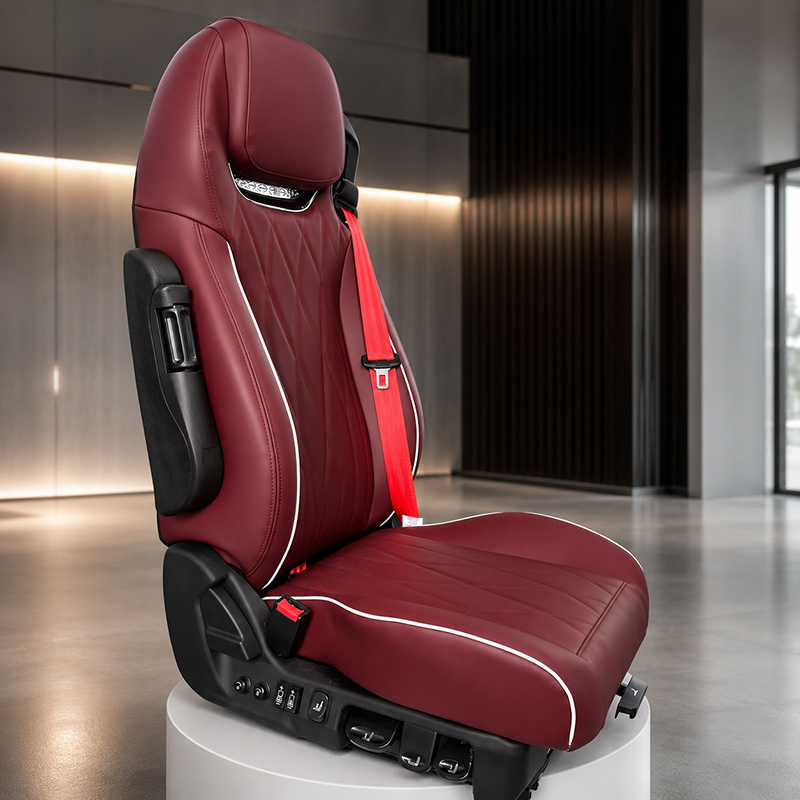
As urbanization accelerates and the demand for efficient, comfortable public transport solutions increases, the transportation industry is on the brink of a revolution. One of the most exciting advancements lies in the design and functionality of vehicle seating, particularly the adoption of aviation-style seats. These seats, originally developed for the aviation industry, are now being integrated into public transit systems, significantly enhancing passenger comfort and safety. In this article, we will explore how these innovative seat designs are influencing the future of public transportation, supported by insights from leading professional seat manufacturers, the vehicle seat industry, and recent developments in research and development (R&D).
## Company Introduction: A Leader in the Vehicle Seat Industry
At the forefront of this transformation is a prominent professional seat manufacturer based in China, known for its commitment to quality, innovation, and ergonomic design. With years of experience serving various sectors, including construction machinery and agricultural vehicles, this company specializes in providing seat solutions that prioritize passenger comfort and operational efficiency. Their expertise extends beyond traditional vehicle seat manufacturing, incorporating advanced technologies such as electric aviation air suspension systems and core ergonomics principles.
## The Vehicle Seat Industry Landscape
The vehicle seat industry has evolved dramatically over the past few decades, shaped by technological advancements and changing consumer expectations. The demand for seating solutions that not only provide comfort but also prioritize safety and durability has led to significant investments in R&D. Companies are increasingly focusing on integrating smart technologies into their seat designs, enhancing user experience through features like adjustable lumbar support, climate control, and shock absorption.
### R&D: Driving Innovation
Research and development play a crucial role in driving innovation within the vehicle seat industry. Leading manufacturers invest heavily in R&D to develop new materials, improve design ergonomics, and enhance functionality. For instance, studies have shown that aviation-style seats can reduce fatigue during long journeys, making them ideal for public transit systems where passengers may spend extended periods seated.
Furthermore, manufacturers are continually exploring new production techniques that increase the durability and longevity of their products. By utilizing advanced materials and manufacturing processes, companies can produce seats that withstand the rigors of daily use while maintaining aesthetic appeal.
## The Impact of Aviation-Style Seats on Public Transit
### Enhanced Comfort and Ergonomics
One of the most significant advantages of aviation-style seats is their emphasis on ergonomics. Unlike traditional bus or train seating, which often prioritizes cost over comfort, aviation-style seats are designed with the human body in mind. This design philosophy minimizes stress on the spine and promotes proper posture, reducing discomfort during travel.
Public transport authorities are beginning to recognize that passenger comfort directly impacts ridership levels. As a result, cities around the world are investing in transit systems that feature aviation-style seating, aiming to attract more commuters and reduce reliance on private vehicles.
### Shock Absorption Technology
Shock absorption is another critical feature of aviation-style seats that enhances the passenger experience. By incorporating advanced suspension systems, these seats can effectively dampen vibrations and shocks caused by uneven surfaces, providing a smoother ride. This is especially relevant for public transit systems operating in urban environments, where roads may be poorly maintained.
The integration of electric aviation air suspension seats further elevates the passenger experience by allowing for customizable support levels. Passengers can adjust the firmness of their seats according to personal preferences, ensuring optimal comfort during their journey.
### Durability and Maintenance
Durability is paramount in the public transit sector, where vehicles undergo extensive use and exposure to varying environmental conditions. Aviation-style seats are designed to endure the rigors of daily transit, utilizing high-quality materials that resist wear and tear. Manufacturers in the vehicle seat industry are increasingly adopting enhanced construction techniques to ensure that these seats maintain their structural integrity over time.
Moreover, the ease of maintenance is a significant consideration for transit authorities. Seats that can be easily cleaned and repaired contribute to lower operational costs and increased vehicle uptime. The use of stain-resistant fabrics and modular designs allows for quick replacements of damaged components, further extending the lifespan of the seating system.
## Applications Beyond Public Transit: Construction and Agricultural Machinery
While the focus of this article is on public transit, it’s important to note that aviation-style seats are also being adopted in other vehicle sectors, such as construction and agricultural machinery. Loaders, excavators, tractors, and harvesters all benefit from the ergonomic and durable designs of these seats.
In the construction industry, operators spend long hours seated in machinery, making comfort and support crucial for productivity. Engineering teams have recognized the need for seats that not only provide comfort but also enhance operator performance. By integrating features such as adjustable suspension systems and lumbar support, manufacturers can create an environment that reduces fatigue and improves overall efficiency.
Similarly, in agriculture, operators of tractors and harvesters face similar challenges. The fast-paced nature of farm work requires seats that can accommodate a range of movements while providing adequate support. Aviation-style seats are increasingly being utilized in these vehicles, ensuring that operators can perform their tasks without discomfort or distraction.
## The Future of Transportation: A Collaborative Approach
The future of transportation hinges on collaboration between various stakeholders, including manufacturers, transit authorities, and urban planners. The successful integration of aviation-style seats into public transit systems requires a comprehensive approach that considers passenger needs, safety regulations, and operational efficiency.
As cities look to modernize their transportation infrastructure, the adoption of innovative seating solutions will play a crucial role in enhancing the overall passenger experience. By prioritizing comfort, safety, and durability, public transit systems can position themselves as viable alternatives to private vehicle use.
### Conclusion
In conclusion, aviation-style seats are poised to shape the next generation of public transit by enhancing passenger comfort, safety, and overall experience. The vehicle seat industry's investment in R&D, combined with a commitment to ergonomic design and durability, will drive the adoption of these advanced seating solutions across various transportation sectors.
As urban areas continue to grow and evolve, the need for efficient, comfortable public transit options will become increasingly critical. By embracing the innovations brought forth by professional seat manufacturers and prioritizing the passenger experience, cities can pave the way for a sustainable and user-friendly transportation future. As we move forward, the integration of aviation-style seats into public transit will undoubtedly redefine how we think about transportation, making it more accessible and enjoyable for everyone.