# The Technology Behind Swivel Electric Suspension Seats: How They Work
In the vehicle seat industry, innovation often drives productivity and comfort. Among the most significant advancements in this field are swivel electric suspension seats, which are transforming the way operators experience machinery and vehicles. These seats are particularly vital in construction machinery, farm vehicles, and even aviation. This article delves into the core technologies, product advantages, and ergonomic benefits of these sophisticated seating solutions, shedding light on their impact on R&D, production, and sales.
## Understanding Swivel Electric Suspension Seats
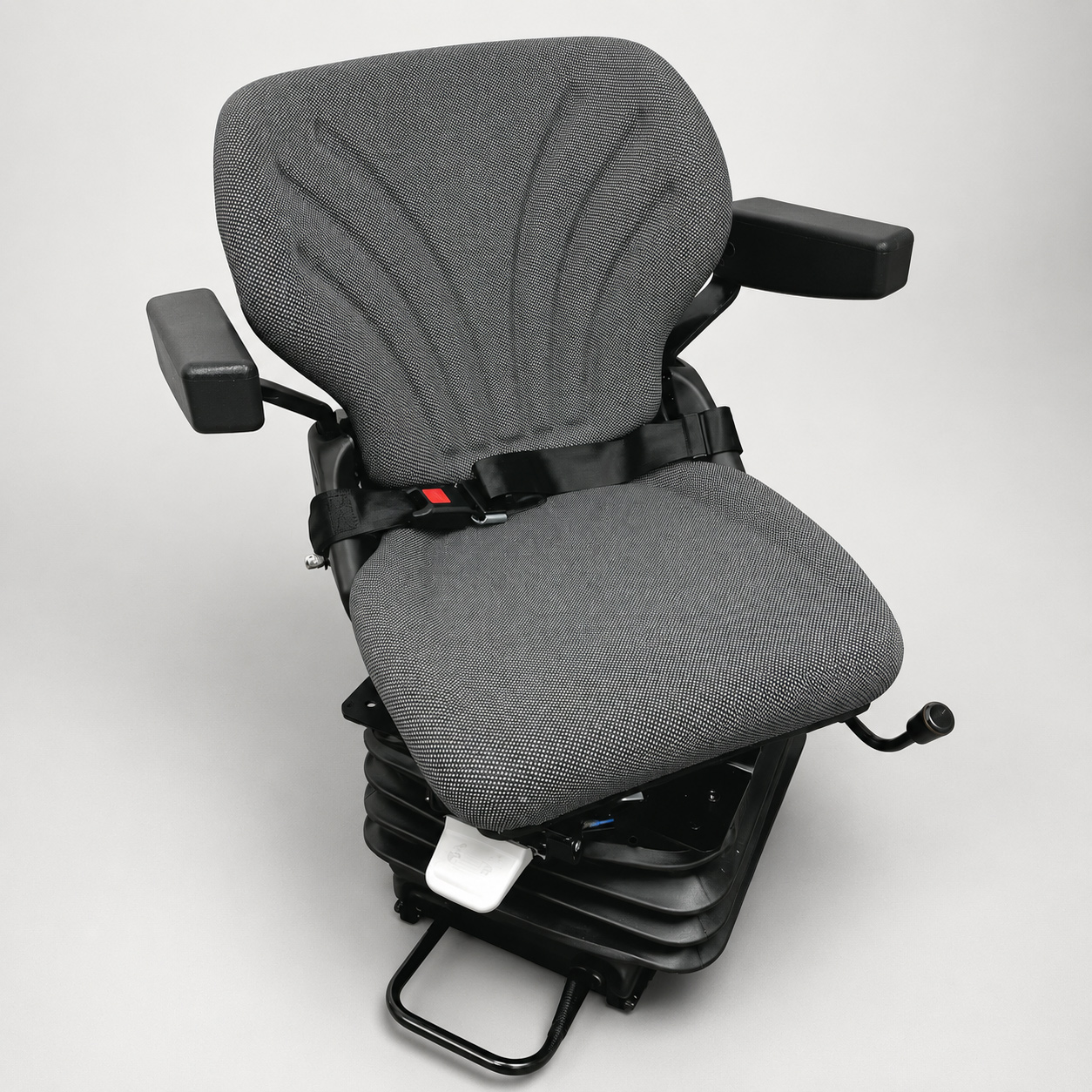
Swivel electric suspension seats combine multiple technologies to enhance operator comfort and control in various vehicles such as loaders, excavators, tractors, harvesters, and even aircraft. At their core, these seats feature a suspension system that absorbs shocks and vibrations, allowing for a smoother ride over rough terrains. The swivel function enables operators to rotate the seat, improving visibility and accessibility without requiring them to leave the seat.
### Core Technologies
1. **Electric Air Suspension**:
The primary feature of these seats is the electric air suspension system. Utilizing a series of air chambers, the seat automatically adjusts its height and firmness based on the operator's weight and the terrain's characteristics. This dynamic adjustment helps to significantly reduce fatigue during long hours of operation.
2. **Vibration Damping Systems**:
These seats are equipped with advanced vibration damping systems that work in tandem with the air suspension. The integration of shock absorbers mitigates the effects of road bumps and vibrations, ensuring a stable and comfortable seating experience.
3. **Ergonomics**:
Ergonomically designed seats are essential for enhancing operator comfort and productivity. Features like lumbar support, adjustable armrests, and contoured seating surfaces are incorporated to provide optimal posture support, reducing strain during extended use.
4. **Swivel Mechanisms**:
The swivel functionality is engineered with precision to allow seamless rotation without compromising stability. This feature is particularly beneficial in equipment that requires frequent operator adjustments and positioning, such as excavators and loaders.
5. **Durable Materials**:
The construction of swivel electric suspension seats employs high-strength materials designed to withstand harsh environments. These materials contribute to the durability and longevity of the seats, making them suitable for heavy-duty applications.
## Product Advantages
The introduction of swivel electric suspension seats has led to several noteworthy advantages in the vehicle seat industry:
### Enhanced Comfort
By incorporating electric air suspension along with ergonomic designs, these seats offer unparalleled comfort. Operators can adjust their seating positions according to personal preferences, reducing physical strain and increasing overall satisfaction during long hours of operation.
### Improved Safety
Safety is paramount in any work environment. The stability provided by the suspension system minimizes the risk of falls or injuries caused by unexpected jolts or shifts. Furthermore, the swivel feature allows operators to maintain vision of their surroundings without needing to exit their seats, enhancing situational awareness.
### Increased Productivity
Comfort directly correlates with productivity. When operators can focus on their tasks without discomfort or distraction, efficiency improves. The ability to quickly and easily swivel towards points of interest or other operators streamlines workflows and enhances collaboration on-site.
### Versatility Across Applications
Swivel electric suspension seats are not limited to one type of vehicle. Their design makes them suitable for a range of applications, from construction machinery like loaders and excavators to agricultural equipment such as tractors and harvesters. This versatility means that manufacturers can standardize seat solutions across multiple vehicle types, simplifying R&D and production processes.
## The Role of R&D in Advancing Seat Solutions
Research and Development play a critical role in the evolution of swivel electric suspension seats. As a professional seat manufacturer, investment in R&D allows companies to innovate continually, addressing market needs and improving upon existing technologies.
### Innovation and Testing
Through rigorous testing and feedback from operators, R&D departments identify areas for improvement in comfort, durability, and functionality. Innovations such as improved material compositions for shock absorption or enhanced electronic components for better air suspension control are born from this iterative process.
### Compliance with Industry Standards
Manufacturers must ensure that their products meet safety and performance standards, which vary across different sectors. R&D teams work diligently to align new technologies with these requirements while also pushing the boundaries of what is possible in seat design.
## Production Insights
The production of swivel electric suspension seats involves several stages, each integral to creating a high-quality end product.
### Prototyping and Material Selection
Once R&D has finalized a design, the next step is to create prototypes. This phase allows engineers to test ergonomics, suspension functionality, and durability under real-world conditions. Material selection is crucial, as choosing high-strength, lightweight materials can significantly affect the seat's performance and lifespan.
### Manufacturing Techniques
Advanced manufacturing techniques such as precision machining and automated assembly ensure that each component meets strict quality standards. For instance, the air suspension system requires precise calibration to ensure optimal performance.
### Quality Assurance
Quality assurance is an ongoing process throughout production. Each seat undergoes rigorous testing to ensure it meets specified performance metrics. This includes stress tests for the suspension system and inspections for ergonomic features to guarantee operator safety and comfort.
## Sales and Market Trends
The demand for swivel electric suspension seats is on the rise across various sectors, driven by increased recognition of the importance of operator comfort and safety. As companies seek to enhance productivity and reduce workplace injuries, these seats have become increasingly popular.
### Target Markets
Key markets for swivel electric suspension seats include agriculture, construction, and aviation. Each sector requires specific adaptations to cater to unique operational challenges. For example, farm vehicle seats might prioritize weather resistance, while aviation seats may focus more on lightweight materials and compact designs.
### Competitive Landscape
The vehicle seat industry is competitive, with numerous manufacturers vying for market share. Companies that prioritize innovation, customer feedback, and sustainability in production processes are more likely to succeed. Additionally, those that offer customization options can better meet the diverse needs of their clientele.
### Future Directions
As technology continues to evolve, the future of swivel electric suspension seats looks promising. Advances in smart technology may lead to features such as automatic adjustment based on real-time feedback from operators or integration with vehicle systems to enhance user experience further.
## Conclusion
Swivel electric suspension seats represent a significant advancement in the vehicle seat industry, combining ergonomic design, innovative technologies, and robust construction to enhance operator comfort and safety. The investment in R&D, meticulous production processes, and an understanding of market demands drive the evolution of these essential seating solutions. As industries continue to recognize the benefits of such innovations, the future for swivel electric suspension seats appears bright, paving the way for enhanced productivity and comfort across various applications.