# Comparative Analysis: Electric Aerial Bases vs. Traditional Aerial Platforms in Construction
## Company Introduction
In the rapidly evolving landscape of construction machinery, the quest for safety, efficiency, and comfort has led to innovative advancements in aerial platforms. The advent of electric aerial bases has sparked a comparative analysis against traditional aerial platforms, highlighting the significant implications for operators and companies alike. As a professional seat manufacturer specializing in the development of construction machinery seats, farm vehicle seats, and electric aviation air suspension seats, we aim to explore the nuances of these two platforms, their respective advantages, and the role of R&D (Research and Development) in enhancing user experience.
Our company prides itself on core technologies that support the production and sales of high-quality seat solutions tailored to loaders, excavators, tractors, and harvesters. This article will delve into the key differences between electric aerial bases and traditional aerial platforms, focusing specifically on ergonomics, shock absorption, durability, and other critical factors.
## Understanding Aerial Platforms
Aerial platforms are essential tools in the construction industry, providing elevated workspaces for tasks such as maintenance, installation, and building repair. Traditionally, these platforms have been powered by combustion engines, which have served well in many applications but come with inherent drawbacks including emissions, noise pollution, and reduced operational efficiency.
Electric aerial platforms represent a shift toward greener, more sustainable practices in construction. By utilizing electric power sources, these platforms offer scalability, reduced operational costs, and lower environmental impact, making them increasingly popular among construction firms seeking to modernize their fleet.
## Comparative Analysis: Key Factors
### 1. **Power Source and Environmental Impact**
**Traditional Aerial Platforms**
Traditional aerial platforms typically rely on diesel or gasoline engines. While they provide powerful performance and extensive range, they contribute to air pollution and greenhouse gas emissions. Moreover, the noise generated by combustion engines can be a significant drawback, especially in urban settings where noise regulations are stringent.
**Electric Aerial Bases**
The transition to electric aerial bases offers numerous advantages in terms of environmental sustainability. These platforms operate quietly, reducing noise pollution significantly. They also eliminate harmful emissions, aligning with global initiatives aiming to combat climate change. Furthermore, electric platforms often come equipped with advanced battery technology, allowing for longer operational hours and reduced downtime associated with refueling.
### 2. **Operational Efficiency and Cost-Effectiveness**
**Traditional Aerial Platforms**
While traditional platforms may be perceived as reliable, their operational costs can accumulate due to fuel expenses, maintenance requirements, and the need for regular servicing of combustion engines. Additionally, the time taken for refueling can lead to inefficiencies on job sites, ultimately affecting productivity.
**Electric Aerial Bases**
Electric aerial platforms demonstrate superior operational efficiency. With fewer moving parts compared to traditional engines, they require less maintenance, translating to lower long-term costs. Moreover, the ability to recharge during off-hours or while the platform is in use maximizes uptime and minimizes interruptions, enhancing overall productivity on-site.
### 3. **Ergonomics and Operator Comfort**
**Traditional Aerial Platforms**
Operator comfort is a critical aspect of aerial platform design. Traditional platforms often feature basic seating solutions that prioritize functionality over comfort. Extended hours spent in uncomfortable seats can lead to fatigue, reduced focus, and even injury.
**Electric Aerial Bases**
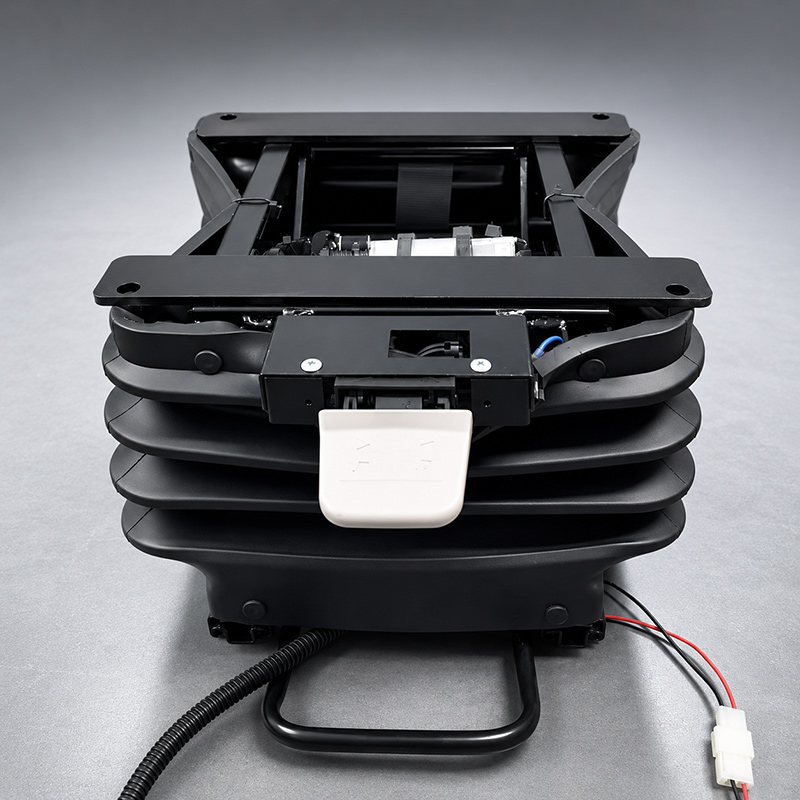
Electric aerial bases are designed with operator ergonomics in mind. Our company's electric aviation air suspension seats prioritize comfort, boasting features such as adjustable lumbar support, shock absorption technology, and ergonomic contours. These advancements ensure that operators can work efficiently without compromising their well-being, reducing the risk of musculoskeletal disorders commonly associated with prolonged periods of operation.
### 4. **Shock Absorption and Ride Quality**
**Traditional Aerial Platforms**
Shock absorption in traditional aerial platforms largely depends on the quality of the suspension system employed. Many older models may not effectively mitigate vibrations caused by uneven surfaces, leading to a jarring experience for operators.
**Electric Aerial Bases**
Electric aerial bases leverage advanced shock absorption technologies, which are particularly beneficial when navigating rough terrain. The integration of air suspension systems enhances ride quality, providing operators with a smoother experience. This is especially crucial when working at heights, where stability and comfort can directly impact safety and operational effectiveness.
### 5. **Durability and Maintenance**
**Traditional Aerial Platforms**
Durability is a hallmark of traditional aerial platforms, designed to withstand the rigors of construction work. However, the wear and tear associated with combustion engines can lead to frequent breakdowns and costly repairs if not properly maintained.
**Electric Aerial Bases**
Electric aerial bases generally feature robust designs that enhance their lifecycle. Fewer mechanical parts reduce the likelihood of failure, and the absence of a combustion engine diminishes risks related to overheating. Regular maintenance intervals can be simplified, allowing construction companies to allocate resources more efficiently.
### 6. **Adaptability and Technology Integration**
**Traditional Aerial Platforms**
While traditional platforms have a proven track record, their adaptability to emerging technologies can be limited. Upgrades often require significant retrofitting, resulting in increased costs and downtime.
**Electric Aerial Bases**
Electric aerial bases are inherently more adaptable to technological advancements, including IoT (Internet of Things) integration. These platforms can be equipped with smart sensors that monitor performance, optimize energy consumption, and provide real-time data analytics, enabling operators to make informed decisions on-site. This capability not only enhances safety but also contributes to proactive maintenance strategies.
### 7. **Market Trends and Future Outlook**
The construction industry is witnessing a paradigm shift toward sustainability and efficiency, driven by regulatory pressures and market demands. Both electric aerial bases and traditional platforms will continue to coexist, but the former is poised for significant growth. The increasing focus on green construction practices, combined with advancements in battery technology and electric power generation, suggests that electric aerial bases will become the preferred choice in many applications.
As a professional seat manufacturer, understanding these trends informs our R&D strategies, guiding the development of seat solutions that cater to the unique needs of both electric and traditional platforms. Enhanced focus on ergonomics, shock absorption, and durability ensures that our products remain at the forefront of industry standards and operator expectations.
## Conclusion
The comparative analysis of electric aerial bases and traditional aerial platforms reveals significant differences across multiple dimensions, including environmental impact, operational efficiency, ergonomics, shock absorption, durability, and adaptability. As construction companies navigate an increasingly competitive landscape, investing in electric aerial bases not only aligns with sustainable practices but also enhances productivity and operator satisfaction.
Our commitment as a professional seat manufacturer is to innovate and provide high-quality seat solutions that support the evolving needs of the construction machinery industry. By prioritizing core technologies in our R&D efforts, we aim to elevate the standards of comfort and safety for operators, ensuring that they can perform their tasks efficiently and effectively, regardless of the platform they choose.
In this era of transformation, embracing electric aerial bases may very well be the key to staying ahead in the competitive construction market.