# Cost vs. Comfort: Is Investing in Aviation-Style Seats Worth It for Fleet Operators?
## Company Introduction
In today’s competitive landscape of fleet operations, the emphasis on efficiency, safety, and operator comfort has never been more critical. With increasing demands placed on operators who spend prolonged hours in vehicles such as loaders, excavators, tractors, and harvesters, the focus on ergonomics and comfort has become paramount. This blog explores the merits of investing in aviation-style seats for fleet operators, particularly in the vehicle seat industry, where innovation and R&D (Research and Development) are vital to producing superior seating solutions.
---
## Understanding the Vehicle Seat Industry
The vehicle seat industry has evolved significantly over the past decade, driven by advancements in technology and a greater understanding of ergonomics. Professional seat manufacturers are now focusing on creating products that not only meet safety standards but also enhance operator comfort and productivity. This evolution is particularly relevant in sectors such as construction machinery and agriculture, where operators often face harsh working conditions and long hours of operation.
### R&D and Production
Investment in R&D is crucial for manufacturers as it allows them to innovate and improve existing products. In China, a hub for manufacturing, companies are increasingly prioritizing R&D to develop seat solutions that cater to the unique needs of different sectors. The production process has also seen significant advancements, with manufacturers adopting technologies that enhance the durability and functionality of seats. For example, electric aviation air suspension seats have gained traction, combining advanced shock absorption with ergonomic design to provide unparalleled comfort.
---
## The Case for Aviation-Style Seats
### Product Advantages
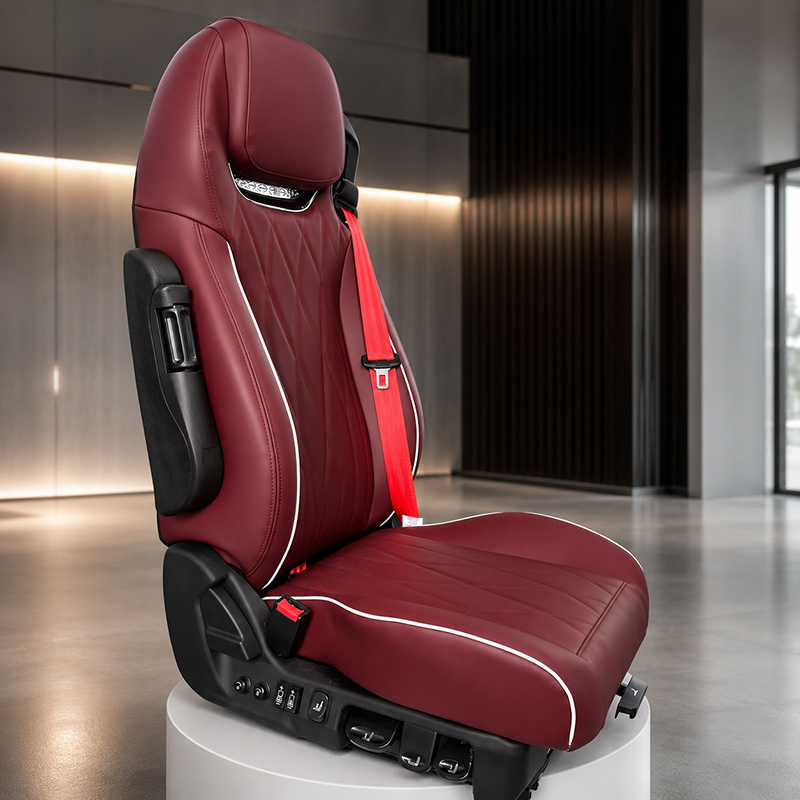
Aviation-style seats, traditionally found in aircraft, are designed for comfort and support during long journeys. When adapted for use in construction machinery and farm vehicles, these seats bring several advantages:
1. **Ergonomics**: Aviation-style seats prioritize human factors engineering, providing optimal lumbar support and adjustable features that accommodate different body types. This is especially important for operators in roles requiring extensive time spent seated.
2. **Shock Absorption**: One of the standout features of aviation-style seats is their advanced shock absorption capabilities. Using technologies derived from the aviation industry, these seats can effectively mitigate the impact of bumps and vibrations commonly experienced in rough terrains.
3. **Durability**: Constructed from high-quality materials, aviation-style seats are designed to withstand the rigors of daily use in demanding environments. Their robust design ensures longevity, reducing the need for frequent replacements or repairs.
4. **Enhanced Productivity**: Comfortable operators are more productive. By reducing fatigue and discomfort, aviation-style seats can help maintain focus and efficiency, ultimately benefiting fleet operations.
### Core Technologies
The integration of core technologies into the design of aviation-style seats makes them particularly appealing for fleet operators. These technologies include:
- **Electric Air Suspension**: This system automatically adjusts the seat's height and firmness based on the operator's weight and the terrain, ensuring optimal comfort.
- **Customizable Ergonomics**: Features such as adjustable armrests, lumbar support, and seat depth allow operators to personalize their seating position for maximum comfort.
- **High-Performance Materials**: The use of breathable fabrics and durable base materials enhances the comfort and longevity of the seat.
---
## Analyzing the Costs
While the benefits of aviation-style seats are compelling, fleet operators must also consider the associated costs. The initial investment in these premium seats can be significantly higher than traditional seating options. However, when evaluating the cost versus comfort, several factors must be considered:
1. **Total Cost of Ownership**: While the upfront cost may be higher, the total cost of ownership can be lower over time due to reduced maintenance and replacement needs.
2. **Operator Health and Safety**: Investing in high-quality seating can lead to fewer health-related issues among operators, reducing absenteeism and healthcare costs.
3. **Resale Value**: Vehicles equipped with advanced seating solutions can have a higher resale value, attracting buyers who prioritize operator comfort.
4. **Productivity Gains**: Enhanced comfort can lead to increased productivity, which translates to better profitability for fleet operators.
---
## Practical Applications in Fleet Operations
### Construction Machinery
In the construction industry, operators of excavators and loaders benefit significantly from aviation-style seats. The vibration and impact experienced during operation can lead to operator fatigue and discomfort, impacting productivity and safety. By investing in high-performance seating solutions, construction companies can ensure their operators remain focused and comfortable, thereby improving operational efficiency.
### Agricultural Vehicles
Farm vehicles such as tractors and harvesters often require operators to work long hours under varying weather conditions. The introduction of aviation-style seats can alleviate discomfort associated with extended periods of sitting. Furthermore, the shock absorption technology integrated into these seats helps reduce the strain on the operator's body, promoting better overall health.
---
## Conclusion: Is It Worth the Investment?
Ultimately, the decision to invest in aviation-style seats should be based on a careful analysis of both costs and benefits. Fleet operators must weigh the initial investment against the potential for improved operator health, safety, and productivity. The advancements in ergonomics, shock absorption, and durability offered by aviation-style seats present a compelling case for their adoption in various industries.
As the vehicle seat industry continues to evolve, driven by R&D and innovation, fleet operators must remain vigilant in seeking out solutions that enhance both comfort and efficiency. In doing so, they will not only improve the working conditions for their operators but also drive their businesses toward greater success.
By prioritizing operator comfort through strategic investments in high-quality seating solutions, fleet operators can create a more productive and efficient workforce, ultimately leading to better business outcomes in an increasingly competitive market.