# From Cockpit to Cabin: The Evolution of Aviation Seat Technology in Light Trucks
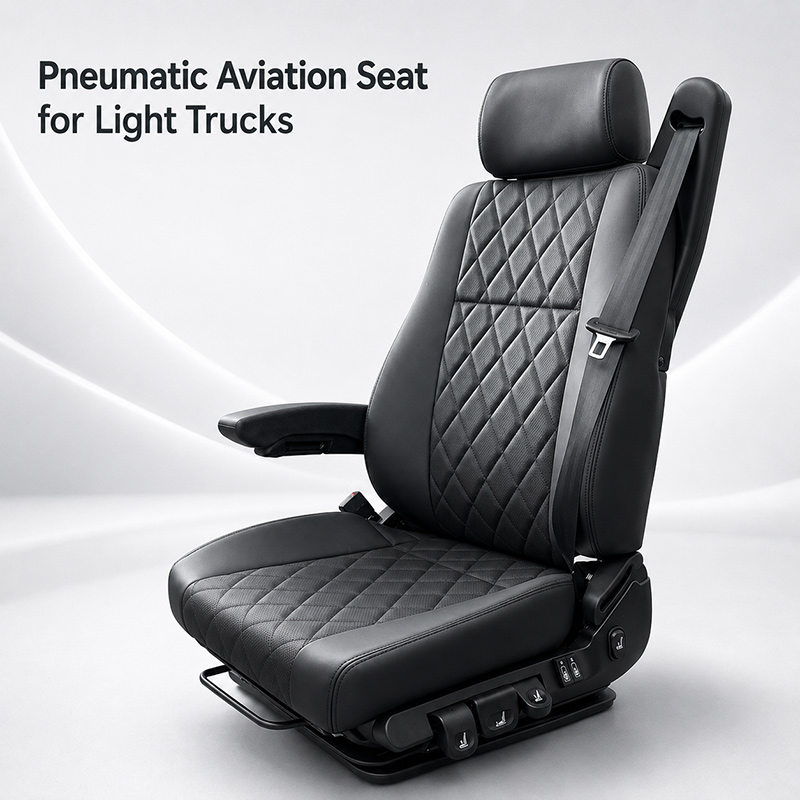
The evolution of seat technology in the vehicle industry is a fascinating journey that reflects the demands of modern transportation and the relentless pursuit of comfort, safety, and efficiency. Over the years, we have witnessed a significant transformation from traditional seating solutions to highly engineered systems that incorporate advanced aviation technologies. In this article, we will explore how aviation seat technology has made its way into light trucks, particularly in the vehicle seat industry, focusing on the critical role of research and development (R&D), production, and sales.
## Company Introduction
In the landscape of professional seat manufacturing, companies are continually innovating to meet the evolving needs of consumers. One such company has established itself as a leader in the field, specializing in high-performance seats designed for various applications, including construction machinery, farm vehicles, and light trucks. This manufacturer excels in integrating core technologies derived from aviation seating into their products, enhancing ergonomics, shock absorption, and durability for users facing harsh working conditions.
## The Vehicle Seat Industry: An Overview
The vehicle seat industry encompasses a wide spectrum of products designed for different types of vehicles, including passenger cars, trucks, construction machinery, and agricultural equipment. As the demand for performance and comfort rises, manufacturers are increasingly turning to aerospace engineering principles to enhance their seat designs.
### Research and Development: Pioneering Innovations
At the heart of any significant technological advancement lies robust research and development. The integration of aviation seat technology into light truck seating represents years of R&D focused on understanding the unique challenges posed by various operating environments.
1. **Ergonomics**: Aviation seats are designed to provide maximum comfort during long flights. Similarly, light truck seats must accommodate users who spend long hours navigating challenging terrains. Ergonomic design principles ensure that the human body is supported correctly, reducing fatigue and enhancing productivity.
2. **Shock Absorption**: Just as aviation seats are designed to withstand turbulence, light truck seats must absorb shocks from uneven roads or off-road conditions. Advanced materials and technologies are employed to ensure that the seats can dampen vibrations effectively, protecting the driver and passengers from discomfort and potential injury.
3. **Durability**: Seats used in aviation must endure rigorous demands, and this expectation has been adopted in light truck seat manufacturing. The materials used in these seats must withstand wear and tear, extreme temperatures, and exposure to the elements, ensuring longevity even under harsh working conditions.
### Production: Transforming Concepts into Reality
Once innovative designs have been developed through R&D, the next step is production. Modern manufacturing processes have enabled the mass production of high-quality seats that incorporate advanced technologies.
1. **Materials Science**: The use of composite materials, lightweight metals, and advanced polymers has revolutionized seat production. These materials not only enhance performance but also contribute to reduced weight, which is crucial for fuel efficiency in light trucks.
2. **Automation and Precision Engineering**: The integration of automation in production lines ensures that each seat meets stringent quality standards. Precision engineering techniques allow for the replication of complex geometries and the consistent assembly of components, resulting in products that are reliable and durable.
3. **Customization Options**: Manufacturers are increasingly offering customizable options for their seats, allowing clients to choose features that best suit their specific needs. This includes adjustments for height, lumbar support, and additional accessories that enhance usability and comfort.
### Sales: Meeting Market Demands
With advancements in production capabilities, the next challenge is meeting market demands. The vehicle seat industry must adapt to changing consumer preferences and the growing need for specialized seating solutions.
1. **Target Markets**: Professional seat manufacturers focus on various markets, including construction machinery, farm vehicles, and light trucks. Each application presents unique challenges and requirements, necessitating tailored solutions.
2. **Collaborative Partnerships**: Many manufacturers engage in partnerships with vehicle OEMs to design seats that integrate seamlessly into new models. This collaboration ensures that seats meet the specific ergonomic and functional requirements of each vehicle type.
3. **Aftermarket Solutions**: As the aftermarket for light trucks continues to grow, manufacturers are also exploring opportunities to provide replacement seats or upgrades for existing vehicles. This segment allows for the introduction of the latest technologies to consumers who may want to enhance their current vehicles.
## The Role of Aviation Technology in Construction Machinery Seats
Aviation technology is increasingly being applied to construction machinery seats, as operators often work in demanding environments requiring superior comfort and support.
1. **Loaders and Excavators**: Operators of heavy machinery like loaders and excavators often experience significant vibrations and jolts. Incorporating aviation-grade shock absorption technology into the seats minimizes the impact of these forces, improving operator comfort and reducing fatigue.
2. **Ergonomic Design**: Seats designed for construction machinery must cater to a range of body sizes and shapes. Aviation-derived ergonomic designs allow for greater adjustability, providing a personalized fit for operators, which enhances productivity.
3. **Durability in Harsh Conditions**: Construction sites are often characterized by dust, moisture, and extreme temperatures. Aviation-inspired materials and protective coatings help to ensure that seats remain functional and comfortable even in these harsh conditions.
## The Future of Farm Vehicle Seats
Farm vehicles, much like construction machinery, require seating solutions that can withstand tough environments while providing comfort for long hours of operation.
1. **Electric Aviation Air Suspension Seats**: The introduction of electric aviation air suspension seats in farm vehicles marks a significant advancement. These seats actively adjust to the terrain, providing real-time shock absorption and ensuring optimal comfort for operators.
2. **Technological Integration**: The future of farm vehicle seats may also include integrated technology, such as climate control and connectivity features, allowing operators to manage their environment better and stay connected while working in the field.
3. **Sustainability Considerations**: As the agriculture industry shifts towards sustainability, there is an increasing demand for eco-friendly materials and production practices. Manufacturers are beginning to explore sustainable options that align with the industry's goals.
## Conclusion
The evolution of aviation seat technology in light trucks and beyond represents a remarkable intersection of engineering, design, and user experience. As the vehicle seat industry continues to innovate through research and development, production capabilities, and market adaptation, the benefits of these advancements will be felt across various sectors, from construction machinery to farm vehicles.
With a focus on ergonomics, shock absorption, and durability, professional seat manufacturers are paving the way for safer and more comfortable driving experiences. The future holds exciting possibilities as new technologies emerge, driven by a commitment to understanding the unique challenges faced by users in harsh working conditions. As we move forward, the lessons learned from aviation will continue to shape the landscape of the vehicle seat industry, ultimately redefining what it means to travel in comfort and style.