# Installation Guide: Transitioning Your Heavy-Duty Truck to Pneumatic Aviation-Style Seating
In the vehicle seat industry, innovation and comfort are paramount, especially when it comes to heavy-duty vehicles such as trucks, construction machinery, and agricultural equipment like tractors and harvesters. One of the most significant advancements in this sector is the integration of pneumatic aviation-style seating systems, which offer a range of benefits that traditional seats cannot match. This article will provide a comprehensive installation guide for transitioning your heavy-duty truck to pneumatic aviation-style seating while examining the advantages of these systems, the core technologies involved, and the importance of ergonomics, shock absorption, and durability.
## Understanding Pneumatic Aviation-Style Seating
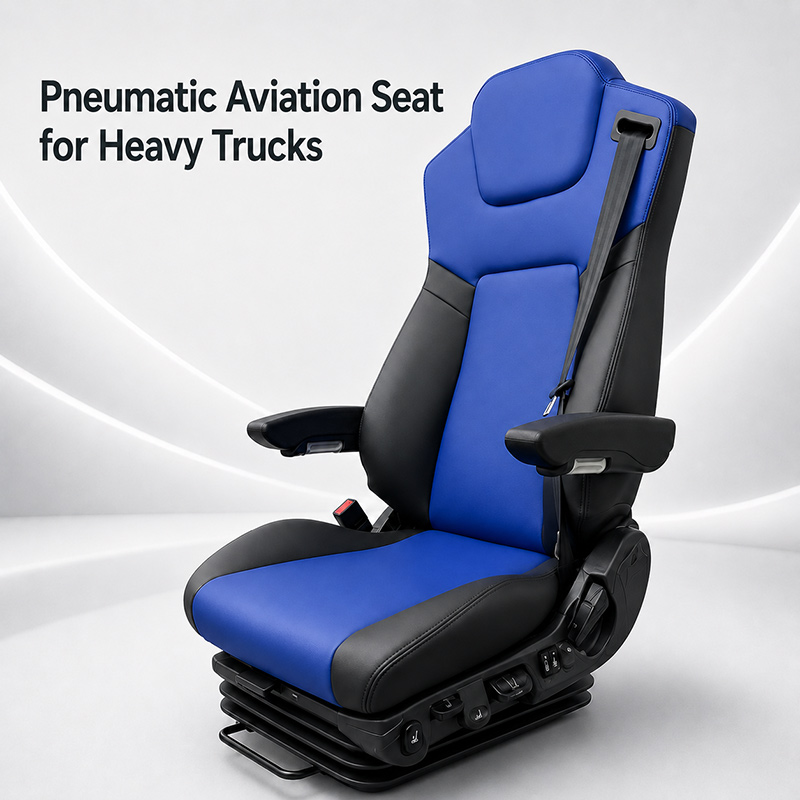
Pneumatic aviation-style seats are designed to ensure maximum comfort and support during extended periods of operation. They utilize air suspension technology, providing superior shock absorption compared to conventional mechanical springs. The principle behind pneumatic seating is simple: by adjusting the air pressure within the seat, the user can customize the firmness and height, accommodating various body types and preferences.
### Key Features of Pneumatic Aviation-Style Seating
1. **Ergonomics**: These seats are engineered to reduce fatigue and discomfort associated with prolonged use. Their design promotes natural body posture, minimizing strain on the back and legs.
2. **Shock Absorption**: Pneumatic seats excel at absorbing vibrations and shocks from uneven terrain, which is particularly beneficial for heavy-duty trucks navigating rough job sites or agricultural fields.
3. **Durability**: Built with high-quality materials and advanced manufacturing techniques, pneumatic aviation-style seats are designed to withstand the rigors of heavy-duty applications. Their robust construction ensures longevity, even under the most challenging conditions.
4. **Load Capacity**: These seats are capable of accommodating a wide range of weights, making them suitable for various operators. Their adjustable features allow for personalized settings, ensuring optimal comfort for everyone.
5. **Customization**: Many professional seat manufacturers offer standard models and high-end electric options that allow users to adjust seat settings with the push of a button, enhancing convenience and ease of use.
## The Transition Process: Installation Guide
Transitioning your heavy-duty truck to accommodate pneumatic aviation-style seating involves several steps. Below is a detailed guide to facilitate this process.
### Step 1: Research and Development (R&D)
Before beginning the installation process, it's essential to conduct thorough research to identify the best pneumatic seating solutions available in the market. Focus on reputable manufacturers with a strong track record in the vehicle seat industry. Consider factors such as:
- **Core Technologies**: Look for manufacturers that utilize cutting-edge technology in their seat designs, ensuring high performance and reliability.
- **Product Advantages**: Assess the unique selling points of each seat model, such as additional features, warranties, and user reviews.
- **Customization Options**: Determine if the manufacturer offers options tailored to your specific needs, including color, upholstery, and additional functionalities.
### Step 2: Selecting the Right Seat Solution
Once you've completed your R&D phase, the next step is to select the appropriate pneumatic aviation-style seat solution for your heavy-duty truck. Factors to consider include:
- **Compatibility**: Ensure that the chosen seat is compatible with your vehicle's make and model. Review installation specifications provided by the manufacturer.
- **Weight Limit**: Choose a seat that accommodates the weight of the intended operator and any potential loads.
- **Ergonomic Features**: Opt for seats that prioritize ergonomics, offering adjustable lumbar support, armrests, and seat depth.
### Step 3: Preparing for Installation
Before proceeding with the installation, gather the necessary tools and materials:
- **Tools**: You will typically need sockets, wrenches, screwdrivers, and a torque wrench.
- **Materials**: Ensure you have the mounting brackets, hardware, and any additional components required for installation.
- **Safety Gear**: Always wear appropriate safety gear, including gloves and goggles, during the installation process.
### Step 4: Removing the Existing Seat
1. **Disconnect Power**: If your current seat has electronic components, disconnect the battery to prevent any electrical issues.
2. **Remove Bolts**: Locate and remove the bolts securing the existing seat to the floor. Keep these bolts in a safe place, as they may be needed for the new installation.
3. **Lift Out the Seat**: Carefully lift the seat out of the cab. It may be helpful to have an assistant to manage the weight and maneuverability.
### Step 5: Installing the Pneumatic Aviation-Style Seat
1. **Position the New Seat**: Place the new pneumatic seat in the desired position. Ensure that it aligns with the existing mounting holes in the truck’s floor.
2. **Secure the Base**: Using the original bolts or new ones provided by the manufacturer, secure the base of the seat to the floor. Follow the torque specifications outlined in the installation manual.
3. **Connect Air Supply**: If your seat features pneumatic functionality, connect the air supply to the seat, following the manufacturer’s instructions carefully.
4. **Adjust Settings**: Once installed, adjust the seat height and firmness according to the operator’s preference.
### Step 6: Testing and Final Adjustments
After completing the installation, it’s crucial to test the seat's functionality. Ensure that all adjustments work correctly, including height, tilt, and shock absorption capabilities. Take the truck for a short drive to assess comfort and stability. Make any necessary adjustments before finalizing the installation.
## Maintenance Tips for Pneumatic Aviation-Style Seats
To maximize the lifespan and performance of your pneumatic aviation-style seat, consider the following maintenance tips:
1. **Regular Inspections**: Periodically check the seat for signs of wear, particularly the air bladder and suspension components. Address any issues promptly.
2. **Keep Clean**: Regularly clean the seat upholstery and surfaces to prevent dirt build-up that could affect performance and aesthetics.
3. **Adjust Air Pressure**: Monitor the air pressure regularly, ensuring it remains within the recommended range for optimal comfort and shock absorption.
4. **Consult Manufacturer Guidelines**: Always refer to the manufacturer’s guidelines for specific maintenance recommendations to ensure compliance with warranty terms.
## Conclusion
Transitioning your heavy-duty truck to pneumatic aviation-style seating can significantly enhance operator comfort and productivity. By following the steps outlined in this installation guide and understanding the advantages of pneumatic seating, you can make an informed decision that benefits both your operators and your overall operational efficiency.
The vehicle seat industry continues to evolve, driven by R&D initiatives that focus on improving ergonomics, shock absorption, and durability. By embracing innovative seat solutions, such as pneumatic aviation-style seating, you can ensure that your heavy-duty trucks remain equipped for success in demanding environments, whether on construction sites or in the fields of agriculture.