# The Future of Comfort: How Pneumatic Aviation Seats are Revolutionizing Light Trucks
In the ever-evolving landscape of the vehicle seat industry, comfort and performance have become paramount considerations. As manufacturers strive to meet the expectations of consumers in various sectors, including light trucks, construction machinery, and agricultural vehicles, innovations in seat technology are taking center stage. One of the most groundbreaking advancements is the introduction of pneumatic aviation seats, which are redefining the standards for comfort, durability, and ergonomics in the automotive sector. This article delves into how these advanced seating solutions are revolutionizing light trucks while exploring their implications for the broader vehicle seat industry.
### The Evolution of Vehicle Seats
Traditionally, vehicle seats have been designed primarily for functionality, often sacrificing comfort for cost-effective production. However, with the growing demand for longer journeys and increased time spent behind the wheel, manufacturers began to recognize the significance of ergonomic design and advanced shock absorption technologies. The shift towards more comfortable seating solutions has led to substantial investments in R&D (Research and Development) aimed at creating seats that not only enhance comfort but also improve driver safety and vehicle performance.
### Understanding Pneumatic Aviation Seats
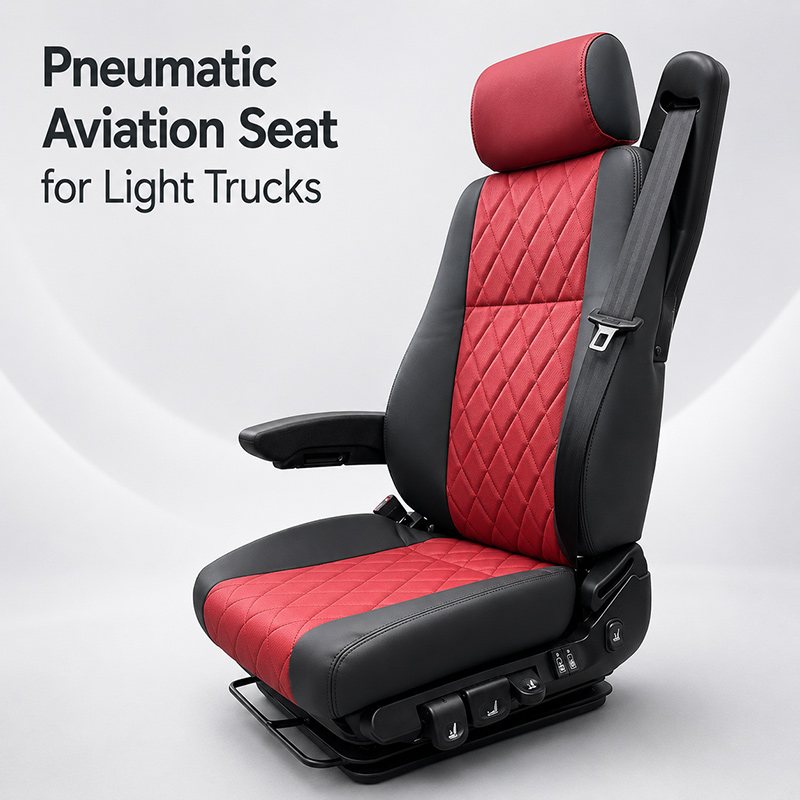
Pneumatic aviation seats utilize a system of air-filled chambers to provide adjustable cushioning and support. These seats are engineered to absorb vibrations and shocks, significantly reducing the impact of rough terrain on the driver and passengers. The core technologies behind pneumatic aviation seats include electric air suspension systems, which allow for real-time adjustments based on the weight of the occupant and the conditions of the vehicle's environment.
#### Product Advantages
1. **Enhanced Ergonomics**: Pneumatic seats promote better posture by conforming to the unique contours of the human body. This adaptability minimizes fatigue and discomfort during long hours of operation, making them ideal for light truck drivers, construction machinery operators, and agricultural workers.
2. **Superior Shock Absorption**: The air suspension mechanism effectively dampens vibrations resulting from bumpy roads or uneven terrain. This feature is particularly beneficial for operators of loaders, excavators, tractors, and harvesters who frequently encounter rugged landscapes.
3. **Durability and Longevity**: Professional seat manufacturers prioritize materials and construction techniques that ensure longevity. Pneumatic seats are designed to withstand wear and tear, providing a reliable solution for industries that demand high-performance seating under challenging conditions.
4. **Customization and Adaptability**: Many pneumatic aviation seats come with customizable settings, allowing users to adjust firmness levels according to personal preferences and operational needs. This adaptability is essential for accommodating different body types and driving styles.
5. **Reduced Driver Fatigue**: By minimizing the physical strain on the driver, these seats help reduce fatigue, ultimately leading to increased productivity and safety on the job.
### The Role of R&D in Advancing Seat Technology
The vehicle seat industry has witnessed significant investment in R&D as manufacturers seek to innovate and stay competitive. This focus on research has led to breakthroughs in material science, ergonomics, and comfort technologies.
In particular, the development of electric aviation air suspension seats represents a new frontier in seat design. These seats integrate advanced sensors and control systems to automatically adjust to changing conditions, optimizing comfort and support in real-time. For example, if a driver hits a pothole, the seat can instantly adapt to mitigate the impact, enhancing overall vehicle stability and driver well-being.
### Production and Sales Dynamics
As the demand for pneumatic aviation seats rises, manufacturers must adapt their production strategies to meet market needs. This involves streamlining manufacturing processes to balance quality with efficiency while also ensuring that seats are produced at competitive price points.
Professional seat manufacturers are increasingly adopting lean manufacturing principles to minimize waste and maximize productivity. This approach not only enhances production capabilities but also allows for the creation of standard models and high-end electric variations that cater to differing consumer preferences.
Sales strategies have also evolved to reflect the growing importance of comfort and ergonomics in purchasing decisions. Marketing campaigns now emphasize the benefits of pneumatic aviation seats, showcasing their advantages over traditional seating options. Demonstrations and trials are common, allowing potential customers to experience firsthand the comfort and performance these innovative seats offer.
### Application Across Industries
Pneumatic aviation seats are not limited to light trucks; they are making significant inroads into various sectors, including construction and agriculture. Here’s a closer look at how these advanced seat solutions are impacting different industries:
#### 1. Construction Machinery Seats
Operators of construction machinery such as excavators and loaders are subject to long hours of operation in demanding environments. Pneumatic aviation seats provide the necessary support and comfort to reduce fatigue and enhance focus, leading to improved productivity and safety on job sites.
#### 2. Farm Vehicle Seats
Farmers and agricultural workers spend considerable time in tractors and harvesters, navigating uneven fields and rough terrains. The shock absorption capabilities of pneumatic aviation seats significantly enhance the experience, allowing operators to work longer hours without discomfort. The adaptability of these seats ensures that they meet the diverse needs of different users, regardless of their individual body types and driving habits.
#### 3. Light Truck Applications
In the realm of light trucks, the implementation of pneumatic aviation seats is shifting consumer expectations. As more people recognize the benefits of advanced seating solutions, manufacturers are responding by integrating these seats into their vehicle designs. The result is a new generation of light trucks that prioritize driver comfort and safety, appealing to both commercial and personal users.
### Challenges and Considerations
While the advantages of pneumatic aviation seats are evident, there are challenges associated with their integration into existing vehicle designs. Manufacturers must navigate complex supply chains, ensuring that components are sourced sustainably and meet quality standards. Additionally, there is a learning curve for consumers who may be unfamiliar with the technology and its benefits.
Moreover, the initial investment in these advanced seat solutions may be higher than traditional options. However, the long-term benefits, including reduced maintenance costs and improved operator efficiency, often outweigh the upfront expenses.
### Conclusion
The future of comfort in the vehicle seat industry is undoubtedly being shaped by pneumatic aviation seats. With their emphasis on ergonomics, shock absorption, and durability, these seats are setting new standards for light trucks, construction machinery, and agricultural vehicles alike. As R&D efforts continue to push the boundaries of what is possible, we can expect even greater innovations that prioritize driver comfort and safety.
The integration of pneumatic aviation seats into various sectors not only enhances the user experience but also contributes to increased productivity and efficiency. As manufacturers adapt their production and sales strategies to align with this trend, the vehicle seat industry is poised for a transformative era that prioritizes comfort without compromising on performance. In this rapidly evolving landscape, one thing is clear: the future of seating is here, and it promises to redefine our expectations of comfort in the workplace and beyond.