# Ergonomics in Motion: The Science Behind Pneumatic Aviation-Style Seats for Truck Drivers
In an era where comfort and functionality are paramount, the vehicle seat industry finds itself at the intersection of ergonomics, advanced engineering, and innovative design. Among the latest advancements are pneumatic aviation-style seats specifically designed for truck drivers. These seats not only enhance driving comfort but also significantly improve driver performance and safety. This article delves into the science and technology behind these cutting-edge seat solutions, exploring their advantages, core technologies, and the research and development (R&D) efforts that propel this essential aspect of the automotive industry.
## Understanding the Importance of Ergonomics
Ergonomics is the science of designing workspaces, products, and systems to fit the human body and its cognitive abilities. In the context of vehicle seating, particularly for professional drivers, ergonomics plays a crucial role. Long hours spent behind the wheel can lead to discomfort, fatigue, and even chronic musculoskeletal issues if the seating environment is not optimized.
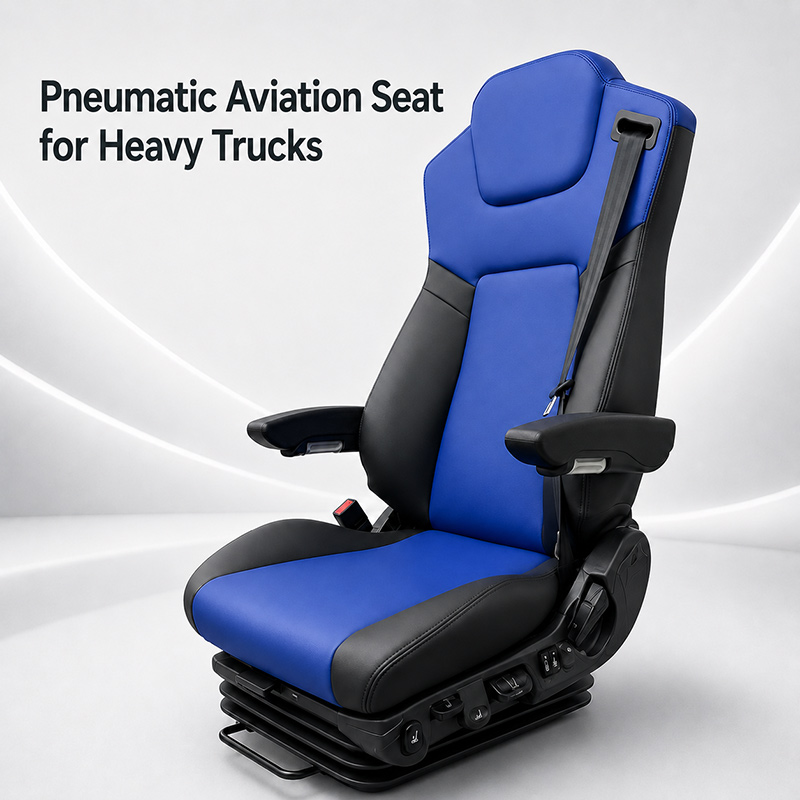
Pneumatic aviation-style seats apply ergonomic principles to create a seating solution that minimizes these risks. By incorporating adjustable features and advanced materials, these seats ensure that every driver can find a comfortable and supportive position, reducing the physical strain associated with long-haul driving.
## The Role of R&D in Advancing Seat Technology
The vehicle seat industry has witnessed significant evolution over the past few decades, driven by rigorous research and development. Professional seat manufacturers invest heavily in R&D to understand the specific needs of various driving environments, including those found in construction machinery, farm vehicles, and commercial trucks.
### Core Technologies
Modern pneumatic aviation-style seats incorporate several core technologies aimed at enhancing comfort, safety, and performance:
1. **Pneumatic Suspension Systems**: At the heart of these seats is the pneumatic suspension system, which uses air-filled bladders to provide shock absorption. This feature allows the seat to adapt dynamically to the driver's weight and movements, ensuring optimal comfort and stability, even on uneven terrain.
2. **Adjustable Features**: Customization is key to ergonomic seating. Pneumatic seats often come equipped with adjustable lumbar support, seat height, and reclining angles to accommodate different body types and preferences. The ability to fine-tune these parameters enhances driver comfort and reduces fatigue.
3. **Durability and Materials**: High-quality materials are essential for durability and longevity. Many professional seat manufacturers utilize materials that resist wear and tear while providing adequate breathability and cushioning. This ensures that seats maintain their performance over time, even in demanding environments.
4. **Shock Absorption Technology**: Advanced shock absorption technology is integrated into these seats to mitigate the impact of road vibrations and jolts from rough terrains, such as those experienced in construction sites or agricultural fields. This not only enhances comfort but also protects the driver from potential injuries caused by prolonged exposure to vibrations.
## Product Advantages: Why Choose Pneumatic Aviation-Style Seats?
The advantages of pneumatic aviation-style seats extend beyond mere comfort. Here are some key benefits that make them a preferred choice among truck drivers and fleet managers alike:
### 1. Enhanced Comfort
Comfort is crucial for long-distance drivers who spend extended hours on the road. Pneumatic seats provide an exceptional level of comfort due to their adjustable suspension and ergonomic design. This contributes to reduced driver fatigue, enabling longer hours of operation without compromising safety.
### 2. Improved Driver Performance
A comfortable driver is a more focused and alert driver. By minimizing physical discomfort, pneumatic aviation-style seats enable drivers to maintain concentration and perform tasks more efficiently. This is especially important in sectors like transportation, where attention to detail and quick decision-making can significantly impact safety.
### 3. Reduced Risk of Injury
Prolonged exposure to vibrations and improper seating can lead to various health issues, including lower back pain and other musculoskeletal disorders. The shock-absorbing features of pneumatic seats help mitigate these risks, promoting long-term health and well-being for drivers.
### 4. Versatility Across Different Vehicles
Pneumatic aviation-style seats are not limited to trucks alone; they are also highly effective in construction machinery seats, farm vehicle seats, and even electric aviation air suspension seats. This versatility makes them an attractive option for a wide range of applications, from loaders and excavators to tractors and harvesters.
### 5. Customizable and Standard Models
Professional seat manufacturers often offer both customizable and standard models to cater to diverse client needs. Customization options allow fleets to equip their vehicles with seats that meet specific ergonomic requirements, while standard models provide a cost-effective solution for businesses looking to enhance driver comfort without extensive modifications.
## Production: From Concept to Market
The journey from R&D to production for pneumatic aviation-style seats involves several critical stages:
### 1. Design and Prototyping
Once the R&D team identifies new technologies or improvements, the design phase begins. Engineers create prototypes that integrate the latest findings, allowing for testing and refinement before full-scale production.
### 2. Testing and Quality Assurance
Before any seat goes to market, it undergoes rigorous testing to ensure it meets safety and quality standards. This includes assessing the strength of materials, the effectiveness of shock absorption, and the overall ergonomic design. Quality assurance is crucial to ensure that the final product delivers on its promises.
### 3. Manufacturing
After successful testing, the manufacturing process begins. Professional seat manufacturers utilize advanced production techniques to ensure consistency and quality across all units. This may involve automated assembly lines, precision machining, and careful quality control checks.
### 4. Sales and Distribution
Once manufactured, pneumatic aviation-style seats are marketed and distributed to various sectors, including trucking companies, construction firms, and agricultural businesses. Effective sales strategies and partnerships with distributors help facilitate the reach of these innovative seat solutions.
## Conclusion
As the vehicle seat industry continues to evolve, pneumatic aviation-style seats stand out as a remarkable innovation that combines the principles of ergonomics with advanced engineering. These seats not only enhance driver comfort but also improve performance and safety across a variety of vehicles, from trucks to heavy machinery.
The commitment of professional seat manufacturers to ongoing R&D ensures that these products will continue to adapt and improve, meeting the ever-changing needs of the industry. With their unique blend of shock absorption, durability, and customizable features, pneumatic aviation-style seats represent the future of seating solutions for truck drivers and beyond.
Investing in high-quality ergonomic seating is not just about comfort—it's about creating a safer, more productive work environment for drivers. As the demand for efficiency and comfort in the vehicle seat industry grows, pneumatic aviation-style seats will undoubtedly remain at the forefront of innovation, paving the way for a healthier and more enjoyable driving experience.