# Installation Tips: How to Properly Install a Pneumatic Aviation Seat in Your Light Truck
The vehicle seat industry has evolved significantly over the years, with innovations that enhance comfort, safety, and performance. In particular, pneumatic aviation seats are gaining traction among light truck owners looking to optimize their driving experience. These seats are not only built for optimal ergonomics but also incorporate advanced shock absorption technologies that cater to the demands of various applications, from construction machinery to farm vehicles.
In this article, we will provide an in-depth guide on how to properly install a pneumatic aviation seat in your light truck, ensuring you leverage its full potential while understanding the product advantages and core technologies that make these seats stand out.
## Understanding Pneumatic Aviation Seats
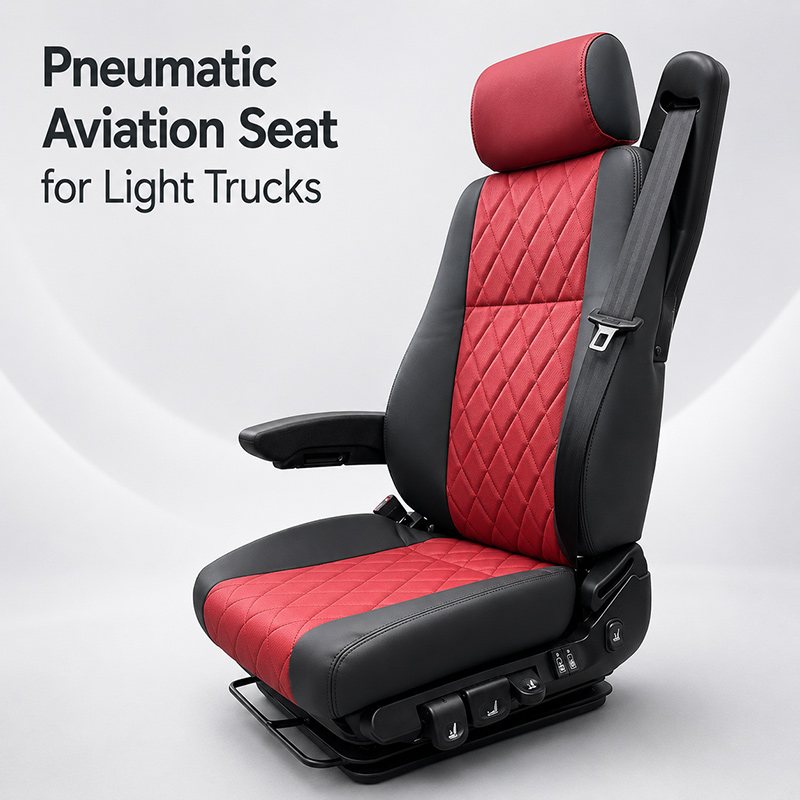
Pneumatic aviation seats are designed to provide superior comfort and support during long hours of sitting. They often feature electric air suspension systems that automatically adjust to the weight of the occupant, enabling dynamic support and reducing the risk of fatigue. These seats excel in ergonomics, ensuring that drivers maintain an optimal posture, thereby minimizing discomfort.
### The Importance of Proper Installation
Before diving into installation tips, it is crucial to understand why proper installation is essential. A poorly installed seat can lead to several issues:
1. **Safety Risks**: Inadequate mounting can result in seat instability, increasing the risk of injury during sudden stops or collisions.
2. **Compromised Functionality**: Pneumatic systems require precise alignment to function correctly. An improper installation may cause the air suspension system to malfunction or wear out prematurely.
3. **Uncomfortable Experience**: If the seat is not installed correctly, it may not provide the intended ergonomic benefits, leading to discomfort during use.
## Preparation Before Installation
### Gather Your Tools
To ensure a smooth installation process, gather the necessary tools beforehand. Common tools include:
- Socket set
- Wrenches
- Screwdrivers
- Torque wrench
- Drill (if required)
- Measuring tape
- Level
### Read the Manufacturer's Instructions
Every pneumatic aviation seat comes with specific installation instructions provided by the manufacturer. Familiarize yourself with these guidelines, as they contain vital information regarding compatibility and installation techniques. As a professional seat manufacturer, the company will have conducted extensive R&D (Research and Development) to ensure that their products meet high standards of durability and performance.
### Check Compatibility
Confirm that the pneumatic aviation seat is compatible with your light truck model. Factors such as seat dimensions, mounting points, and weight capacity should be assessed. If you are unsure, consult with the manufacturer or a professional installer.
## Step-by-Step Installation Guide
### Step 1: Remove the Existing Seat
Begin by removing the existing seat from your light truck. Follow these steps:
1. **Disconnect Power**: If your current seat has electrical connections (such as seat heaters or power adjustments), disconnect the power supply.
2. **Unscrew the Mounting Bolts**: Locate the bolts securing the seat to the floor and remove them using the appropriate socket or wrench.
3. **Carefully Lift the Seat**: After unscrewing, carefully lift the seat out of the vehicle. It may be helpful to have a second person assist you in this step to avoid damage to the interior.
### Step 2: Prepare the Mounting Area
With the old seat removed, clean the mounting area to ensure no debris interferes with the new installation. Check for rust or damage that may need repair before proceeding.
### Step 3: Position the New Seat
Position the pneumatic aviation seat in the desired location. Ensure that the seat rails align with the factory mounting points in the vehicle floor. Use a level to verify that the seat is even, as proper alignment is crucial for optimal shock absorption and ergonomics.
### Step 4: Secure the Seat
Once properly positioned, secure the seat using the mounting bolts provided by the manufacturer. Tighten the bolts evenly to ensure stability. Use a torque wrench to apply the correct amount of force as specified in the installation manual.
### Step 5: Connect Pneumatic Systems (If Applicable)
If your pneumatic aviation seat includes an electric air suspension system:
1. **Locate the Air Lines**: Identify the air lines and connectors on the seat.
2. **Connect to Power**: If the seat has electrical components, connect the wiring harness according to the manufacturer's instructions.
3. **Test the System**: Before finalizing the installation, test the pneumatic system to ensure it operates correctly and adjusts to your weight.
### Step 6: Final Adjustments
After securing the seat and connecting any necessary systems, sit in the seat to check for comfort and functionality. Make any necessary adjustments to the seat position or height to achieve an optimal seating arrangement.
### Step 7: Test Drive
Once installation is complete, take your light truck for a short drive. Pay attention to the seat's performance, checking for stability and comfort. If any issues arise, re-evaluate the installation to make necessary adjustments.
## Advantages of Pneumatic Aviation Seats
Understanding the advantages of pneumatic aviation seats can further justify your investment and commitment to proper installation. Here are some key benefits:
### Ergonomics
Pneumatic aviation seats are designed with the human body in mind. They provide lumbar support, adjustable armrests, and multiple reclining positions, allowing users to customize their seating experience.
### Shock Absorption
Advanced shock absorption technologies minimize the impact of bumps and vibrations, making them ideal for light trucks used in rugged environments. This is particularly beneficial for operators of loaders, excavators, tractors, and harvesters who encounter rough terrains.
### Durability
Manufactured with high-quality materials, pneumatic aviation seats are built to last. Their robust design ensures longevity, reducing the need for frequent replacements—a critical factor for businesses relying on construction machinery or agricultural equipment.
### Load Capacity
These seats are engineered to accommodate a wide range of weights, ensuring safety and comfort for all users. Whether you're transporting workers or equipment, pneumatic aviation seats can handle diverse load requirements.
### Versatile Applications
Beyond light trucks, pneumatic aviation seats find applications in various industries, including agriculture, construction, and transportation. They can be installed in standard models or high-end electric versions, catering to specific needs and preferences.
## Conclusion
Installing a pneumatic aviation seat in your light truck is a valuable investment that enhances your driving experience, especially if you frequently navigate rough terrains. By following the detailed installation guide outlined above, you can ensure a safe and effective setup that maximizes the seat's ergonomic benefits and durability.
As you embark on this installation process, remember that the vehicle seat industry continues to advance, driven by ongoing R&D and innovation. Choosing a professional seat manufacturer that prioritizes quality and functionality can significantly impact your satisfaction and overall driving experience. Therefore, invest time in selecting the right products and adhere to best practices for installation—your comfort, safety, and productivity depend on it.