# Enhancing Passenger Experience: The Benefits of Aviation-Style Seats in Public Transportation
In recent years, the landscape of public transportation has undergone significant transformations, with a growing emphasis on passenger comfort and experience. One of the most innovative changes is the introduction of aviation-style seating, which is primarily known for its ergonomic design and superior comfort. As the vehicle seat industry evolves, the integration of such seats in buses, trains, and other forms of public transport presents numerous benefits that can enhance the overall travel experience. This article explores the advantages of aviation-style seats in public transportation while discussing core technologies and innovations within the seat manufacturing sector.
## Understanding the Vehicle Seat Industry
The vehicle seat industry is a multifaceted domain that encompasses research and development (R&D), production, sales, and the design of seating solutions across various vehicle types, including public transportation, construction machinery, and farm vehicles. A professional seat manufacturer must focus on producing high-quality seats that cater to diverse applications, from standard models used in city buses to high-end electric aviation air suspension seats designed for luxury coaches.
To understand the potential benefits of aviation-style seats, we need to dive into the core technologies and product advantages they offer over traditional seating options.
### Ergonomics: The Foundation of Comfort
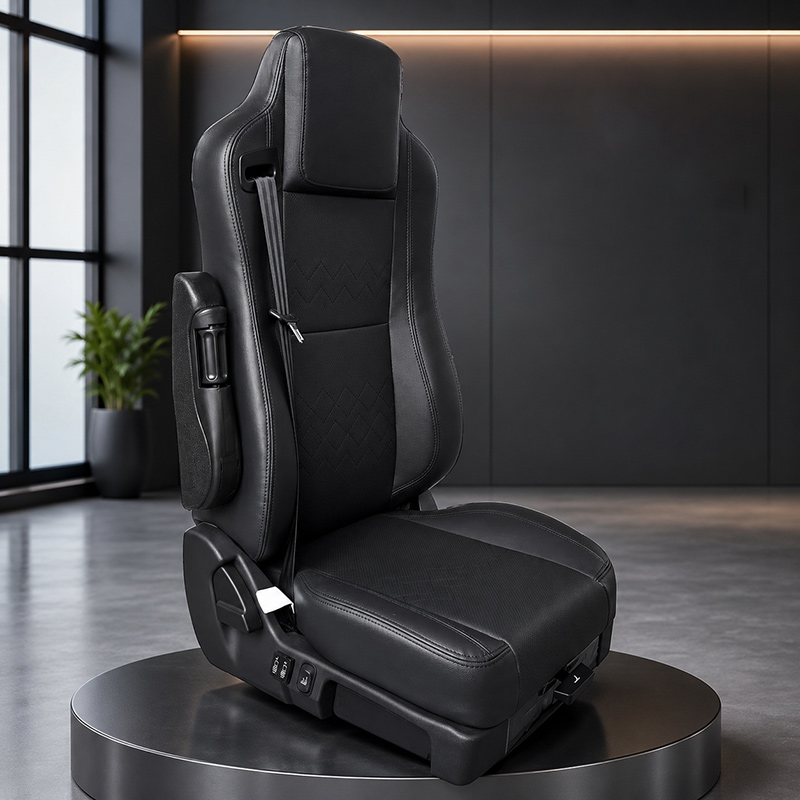
One of the primary benefits of aviation-style seats is their ergonomic design, which is meticulously crafted to provide optimal body support during extended periods of sitting. Unlike traditional bus or train seats, which may prioritize space over comfort, aviation-style seats are engineered with the following features:
1. **Lumbar Support**: These seats come equipped with adjustable lumbar support, ensuring that passengers maintain a healthy posture while traveling. This feature is particularly beneficial for long-haul journeys where back strain can become an issue.
2. **Contoured Design**: The contoured shape of aviation-style seats accommodates the natural curvature of the human body. This design minimizes pressure points and enhances comfort, reducing the likelihood of fatigue during travel.
3. **Adjustable Features**: Many aviation-style seats offer adjustable headrests, armrests, and reclining capabilities, allowing passengers to customize their seating position for maximum comfort.
### Shock Absorption: A Smooth Ride
A significant concern for public transportation is the quality of the ride experienced by passengers. Traditional seating often fails to mitigate the effects of bumps and vibrations encountered on the road or rail. Aviation-style seats, particularly those featuring electric air suspension systems, address this issue effectively.
1. **Electric Air Suspension**: The incorporation of electric air suspension technology in aviation-style seats allows for dynamic adjustment based on the weight and position of the passenger. This system absorbs shocks and vibrations, providing a smoother ride even on uneven surfaces.
2. **Enhanced Stability**: The shock absorption capabilities of these seats promote stability, reducing the risk of discomfort and injury during sudden stops or starts. This feature is especially beneficial for public transportation vehicles that frequently engage in stop-and-go travel.
### Durability: Built to Last
Public transportation vehicles are subjected to rigorous use, necessitating seats that can withstand the wear and tear of daily operations. Aviation-style seats are constructed with materials and technologies that enhance durability, making them a worthwhile investment for transportation authorities.
1. **High-Quality Materials**: Professional seat manufacturers use robust materials that resist fading, tearing, and general wear. Upholstery options range from durable fabrics to high-grade leather, ensuring that chairs maintain their aesthetic appeal over time.
2. **Resilience Against Environmental Factors**: Unlike conventional seats, aviation-style designs are often developed to endure variations in temperature and humidity, making them suitable for diverse climates and environments.
### Versatile Applications: From Public Transport to Heavy Machinery
While the focus of this article is on enhancing passenger experience in public transportation, it is worth noting that aviation-style seats have also found applications in construction machinery and farm vehicles. The principles of ergonomics, shock absorption, and durability are equally vital in these contexts, where operators spend extensive hours seated on loaders, excavators, tractors, and harvesters.
1. **Construction Machinery Seats**: Operators of heavy machinery benefit immensely from aviation-style seating. These seats offer exceptional support and cushioning, minimizing the risk of long-term musculoskeletal issues associated with prolonged operating hours.
2. **Farm Vehicle Seats**: In agriculture, where farmers can spend entire days navigating fields, the integration of aviation-style seating can greatly enhance comfort and efficiency, leading to improved productivity.
### Economic Implications: The Case for Investment
Investing in aviation-style seating for public transportation systems may seem daunting due to higher upfront costs compared to traditional seat designs. However, the long-term benefits far outweigh initial expenditures. Enhanced passenger comfort can lead to increased ridership, reduced complaints, and higher customer satisfaction scores.
1. **Increased Ridership**: When passengers enjoy a comfortable ride, they are more likely to choose public transportation over personal vehicles. This shift can alleviate congestion on roads and reduce carbon emissions, contributing positively to urban sustainability efforts.
2. **Cost Savings**: Durable aviation-style seats require less frequent replacement and maintenance compared to traditional seats. Lower long-term operational costs can offset initial investments, making them economically viable for transit authorities.
### Conclusion
The evolution of public transportation is closely intertwined with advancements in seating technology. Aviation-style seats represent a significant leap forward in enhancing passenger experience. With their ergonomic designs, shock absorption capabilities, and durability, these seats not only improve comfort but also ensure that public transport becomes a more attractive option for commuters.
Moreover, the principles employed in aviation-style seating transcend the realm of public transport, finding applications in construction and agriculture where operator comfort is paramount. For professional seat manufacturers, the challenge lies in continuing R&D to innovate and create seat solutions that meet the evolving needs of various industries.
In conclusion, as cities continue to expand and public transport systems evolve, embracing aviation-style seating is a forward-thinking approach to enhancing passenger experience, driving ridership, and ultimately contributing to sustainable urban development. Through strategic investments in high-quality seating solutions, transit authorities can pave the way for a more comfortable, efficient, and user-friendly public transportation system.