# From Airplanes to Highways: Why Truck and Bus Operators are Embracing Aviation-Style Seating
In recent years, a notable trend has emerged in the vehicle seat industry: truck and bus operators are increasingly adopting aviation-style seating solutions. This shift is not merely aesthetic; it reflects deeper insights into ergonomics, comfort, durability, and advanced technologies. As the demand for high-quality seating solutions escalates, the lines between aviation and ground transportation have begun to blur. This article delves into the reasons behind this trend, exploring the role of research and development (R&D), production techniques, and the advantages of aviation-inspired seats in various applications, including construction machinery and farm vehicles.
## Understanding the Vehicle Seat Industry
The vehicle seat industry is a dynamic sector that encompasses a variety of applications, from passenger vehicles to heavy-duty machinery. While conventional seating solutions have served their purpose, the growing emphasis on comfort, safety, and performance has prompted manufacturers to innovate aggressively. Research and development play a pivotal role in this landscape. Companies are investing heavily in R&D to enhance core technologies, leading to the creation of professional seat solutions that can withstand the rigors of both transportation and operational demands.
### The Shift Towards Aviation-Style Seating
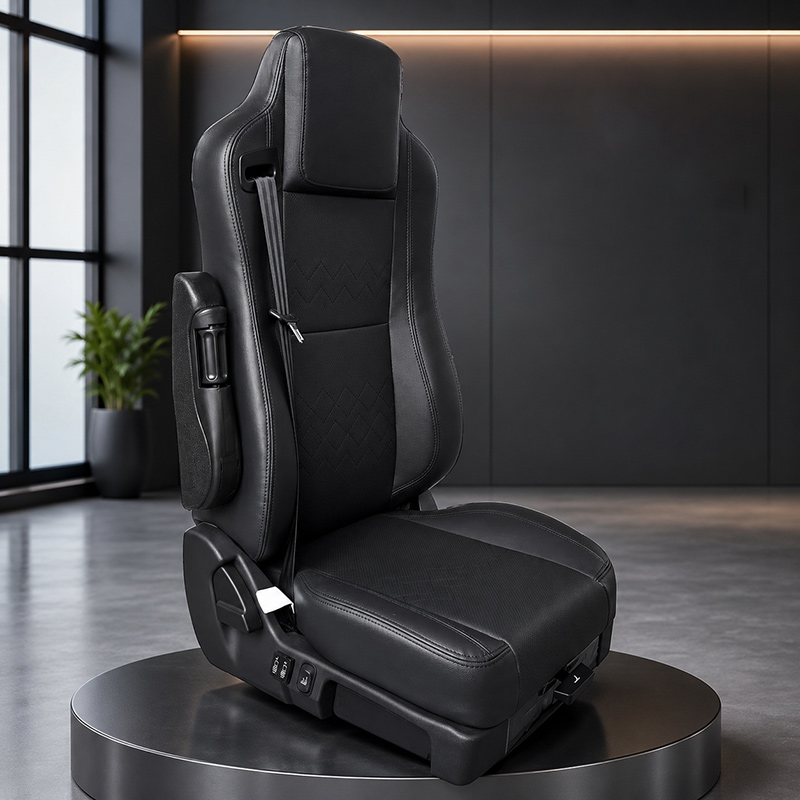
Aviation-style seating has long been known for its ergonomic design and advanced shock absorption capabilities. These seats are engineered to provide maximum comfort for passengers while minimizing fatigue during long journeys. The principles applied in aircraft seating—such as weight distribution, lumbar support, and vibration dampening—are now being adapted for use in trucks and buses.
#### Ergonomics: A Key Consideration
One of the primary drivers behind the adoption of aviation-style seating is the focus on ergonomics. In a world where many professionals spend hours behind the wheel, the importance of a well-designed seat cannot be overstated. Aviation-style seats are meticulously crafted to support the human body’s natural posture. They feature adjustable components, including seat height, tilt, and lumbar support, allowing users to customize their seating position for optimal comfort.
For truck and bus operators who often encounter long hours on the road, these ergonomic benefits translate into significant improvements in overall well-being. Reduced discomfort leads to higher productivity and lower absenteeism due to musculoskeletal issues, presenting a compelling case for fleet managers to invest in quality seating solutions.
#### Shock Absorption: Enhancing Safety and Comfort
Another critical feature of aviation-style seating is its superior shock absorption technology. These seats often incorporate advanced materials and mechanisms designed to mitigate the impact of vibrations and jolts commonly experienced in commercial vehicles. For instance, high-end electric air suspension seats utilize air-filled bladders that adjust to the driver’s weight and movements, providing a tailored experience that absorbs shocks effectively.
This technology is particularly beneficial for operators of construction machinery, such as loaders and excavators, where the terrain can be uneven and the work demanding. By adopting aviation-inspired seating solutions, manufacturers can improve driver comfort and safety, reducing the risk of accidents caused by fatigue or loss of concentration.
## The Advantages of Aviation-Style Seating
The transition towards aviation-style seating offers numerous advantages across various sectors, including trucks, buses, construction machinery, and agricultural vehicles. Let’s explore some of these advantages in detail:
### 1. Durability
Aviation-style seats are designed to endure the harsh conditions of various environments. The materials used in their construction are typically more robust and resistant to wear and tear compared to standard vehicle seats. This durability is especially crucial for heavy-duty applications like farm vehicles and construction machinery, where seats are subject to constant use and exposure to the elements.
### 2. Customization
Many professional seat manufacturers offer customizable options for aviation-style seating. This flexibility allows fleet operators to design seat solutions tailored to their specific needs. Whether it’s a standard model for general use or a high-end electric air suspension seat with advanced features, the ability to customize can significantly enhance the user experience.
### 3. Improved Productivity
Comfortable seating contributes to improved productivity. When drivers are comfortable, they can maintain focus and operate their vehicles more efficiently. In industries where time is money, investing in high-quality seating can yield substantial returns by reducing downtime and increasing operational efficiency.
### 4. Enhanced Safety
Safety is paramount in any transportation industry. Aviation-style seats often come equipped with advanced safety features, including integrated seat belts and reinforced structures designed to protect occupants in the event of a collision. This focus on safety aligns with regulatory requirements and industry standards, helping operators ensure compliance while prioritizing passenger security.
### 5. Sustainability and Innovation
The vehicle seat industry is witnessing a push towards sustainability. Many manufacturers are exploring eco-friendly materials and production processes, ensuring that their products not only meet current demands but also adhere to environmental standards. Innovations in electric aviation air suspension seats are also contributing to more energy-efficient designs, further supporting sustainability initiatives.
## The Role of R&D and Production Techniques
As with any technological advancement, the evolution of aviation-style seating in the vehicle seat industry is driven by rigorous research and development. Manufacturers are continuously exploring new materials, technologies, and design philosophies to create better seating solutions.
### Core Technologies
Manufacturers are leveraging core technologies such as advanced polymers, lightweight metals, and smart materials to enhance the performance of aviation-style seating. These innovations not only improve comfort but also reduce the overall weight of the seats, contributing to better fuel efficiency in vehicles.
### Production Techniques
Modern production techniques, including automation and precision engineering, enable manufacturers to produce high-quality seating solutions at scale. The integration of robotics in the manufacturing process ensures consistent quality and reduces production times, allowing companies to respond to market demands more swiftly.
## Market Trends and Future Prospects
The adoption of aviation-style seating is indicative of broader trends in the vehicle seat industry. As consumer expectations evolve, there is a growing demand for high-end, comfortable, and durable seating solutions across various applications. The integration of technology, such as smart seating systems that can monitor user comfort and adjust accordingly, is likely to become more prevalent.
Moreover, as electric and autonomous vehicles gain traction, the seating paradigm may further evolve. The design of seats in these vehicles will need to accommodate new configurations and functionalities, potentially integrating features that enhance passenger experience during travel.
### Conclusion
The embrace of aviation-style seating by truck and bus operators marks a significant trend in the vehicle seat industry. Driven by the need for comfort, safety, and productivity, this shift highlights the importance of innovation, research, and development in creating solutions that meet the evolving demands of transportation.
As manufacturers continue to refine their offerings, the potential for enhanced ergonomics, shock absorption, and durability will remain paramount. The future of vehicle seating will undoubtedly be shaped by the lessons learned from aviation, leading to a new era of comfort and safety on the roads and beyond. Whether for construction machinery seats, farm vehicle seats, or commercial transport, the evolution of seating solutions promises to enhance the experiences of operators and passengers alike.