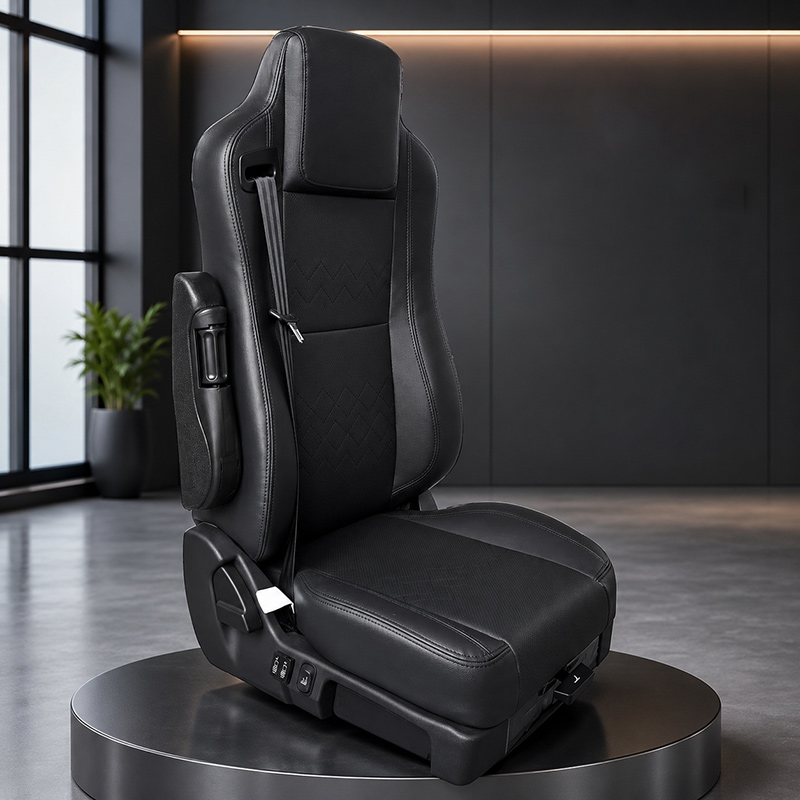
# Eco-Friendly Innovations: The Sustainable Design of Aviation-Style Seats for Trucks and Buses
In today's fast-paced world, where environmental concerns are at the forefront, the vehicle seat industry is undergoing a transformative shift towards sustainability. This evolution is not merely about adhering to regulations; it reflects a deeper commitment to innovation and responsible manufacturing. Among the most exciting developments in this space is the adoption of aviation-style seats for trucks and buses, a trend that merges functionality with eco-friendly practices. This article explores the various dimensions of this transformation, focusing on research and development (R&D), production methodologies, and the advantages of these innovative seat solutions.
## The Role of R&D in Sustainable Seat Design
Research and development play a pivotal role in driving innovation within the vehicle seat industry. As consumer awareness regarding environmental issues grows, manufacturers are compelled to innovate and explore sustainable materials and designs. R&D teams work tirelessly to identify eco-friendly alternatives to traditional materials, such as recycled plastics, biodegradable composites, and sustainably sourced fabrics.
The integration of advanced technologies into the design of aviation-style seats is also crucial. Manufacturers are leveraging core technologies like computer-aided design (CAD) and finite element analysis (FEA) to create seats that not only meet ergonomic standards but also minimize material waste during production. These innovations ensure that products are not only high-quality but also environmentally responsible.
## Production Methodologies: A Sustainable Approach
The production process of eco-friendly aviation-style seats has also seen significant transformations. Advanced manufacturing techniques, such as 3D printing and automated assembly lines, have reduced energy consumption and waste generation. By adopting lean manufacturing principles, companies can streamline their operations while maintaining high-quality standards.
Furthermore, many professional seat manufacturers are now implementing circular economy principles in their production processes. This includes designing products for disassembly, allowing for easier recycling at the end of their life cycle. By minimizing waste and maximizing resource efficiency, manufacturers can significantly reduce their environmental impact.
## Eco-Friendly Materials: A Key Element
One of the most notable aspects of the sustainable design of aviation-style seats is the choice of materials. Traditional seat manufacturing often relies on synthetic materials that can be harmful to the environment. However, modern vehicle seat manufacturers are sourcing eco-friendly materials that offer both durability and performance.
For instance, the use of recycled plastics in seat frames not only reduces the demand for virgin materials but also contributes to lowering carbon emissions associated with production. Additionally, natural fibers such as hemp, bamboo, and organic cotton are being utilized in upholstery, providing a sustainable alternative to conventional fabrics. These materials are not only environmentally friendly but also enhance the overall aesthetic appeal of the seats, aligning with modern design trends.
## Ergonomics and Shock Absorption
When designing aviation-style seats for trucks and buses, ergonomics is a paramount consideration. The comfort and support provided by a seat can significantly affect driver performance and overall safety. The incorporation of advanced ergonomic principles aims to reduce fatigue and discomfort during long hours of operation.
To achieve optimal comfort, manufacturers are employing sophisticated shock absorption technologies. High-end electric air suspension seats, for example, utilize air bladders to adjust the firmness based on the driver's weight and preferences. This dynamic adjustment not only enhances comfort but also improves stability, reducing the risk of injury during operation.
Additionally, the ergonomic design of these seats supports proper posture, which is essential for preventing musculoskeletal disorders among drivers. Research indicates that well-designed seats can lead to increased productivity and reduced absenteeism, making them a worthwhile investment for fleet operators.
## Durability: A Long-Term Investment
Durability is another critical factor when selecting seats for heavy-duty vehicles like loaders, excavators, tractors, and harvesters. In demanding environments, where exposure to harsh conditions is inevitable, the resilience of seat materials becomes crucial.
Eco-friendly aviation-style seats are designed to withstand wear and tear, ensuring longevity even in the most challenging settings. By utilizing high-quality materials and advanced manufacturing techniques, manufacturers can produce seats that not only resist fading and cracking but also maintain their structural integrity over time.
Investing in durable seats translates to cost savings in the long run. Fleet operators can minimize replacement costs and reduce downtime, ultimately enhancing operational efficiency. Furthermore, with the increasing focus on sustainability, durable products contribute to reducing waste generated from frequent replacements.
## Tailored Seat Solutions for Various Applications
The versatility of aviation-style seats allows for tailored solutions across a wide range of applications. From construction machinery seats to farm vehicle seats, these innovative designs can be adapted to meet specific operational requirements.
Standard models are available for general use, but professional seat manufacturers also offer customizable options that cater to the unique needs of different industries. For example, seats for excavators may require additional lateral support due to the nature of the work, while tractor seats might prioritize comfort over extended periods of use.
High-end electric air suspension seats can further enhance user experience by providing individualized adjustments and features such as heated upholstery or built-in lumbar support. This level of customization ensures that every driver can find a seat solution that meets their needs without compromising on sustainability.
## The Future of Sustainable Seat Design
As we look to the future, the emphasis on eco-friendly innovations in the vehicle seat industry is expected to grow. The demand for sustainable products will likely drive further advancements in materials science, manufacturing processes, and design technologies.
Collaboration between manufacturers, suppliers, and researchers will be essential in accelerating the development of sustainable seat solutions. By sharing knowledge and expertise, the industry can collectively push the boundaries of what is possible, creating products that are not only environmentally responsible but also exceed customer expectations.
Moreover, as governments implement stricter regulations regarding emissions and waste management, manufacturers who prioritize sustainability will find themselves at a competitive advantage. Early adopters of eco-friendly practices will likely capture a larger share of the market, appealing to environmentally conscious consumers and businesses alike.
## Conclusion
The sustainable design of aviation-style seats for trucks and buses represents a significant advancement in the vehicle seat industry. Through focused R&D, innovative production methodologies, and the use of eco-friendly materials, manufacturers are paving the way for a greener future.
With a strong emphasis on ergonomics, shock absorption, and durability, these seats not only enhance driver comfort and safety but also contribute to a more sustainable transportation ecosystem. As the industry continues to evolve, the integration of sustainable practices will become increasingly essential, ensuring that future generations can enjoy clean and efficient mobility solutions.
Ultimately, the journey towards sustainability in the vehicle seat industry is not just about meeting regulations—it's about embracing innovation and creating a positive impact on the environment, one seat at a time.