# Safety First: How Aviation-Style Seats Improve Security in Commercial Transport
In the ever-evolving realm of commercial transport, safety remains a paramount concern. Whether it’s construction machinery, farm vehicles, or transportation of goods and passengers, the integrity of the seat design plays a critical role in ensuring the security and comfort of operators and occupants alike. With advancements in technology and ergonomics, the vehicle seat industry has turned its attention to aviation-style seats as an innovative solution to enhance safety in various types of commercial vehicles. This article explores how these specialized seats are revolutionizing the transport sector, delving into core technologies, product advantages, and the overall impact on user experience.
## The Evolution of Vehicle Seating
Historically, vehicle seating primarily focused on comfort and basic functionality. However, as industries grew more competitive and safety regulations tightened, the demand for enhanced seating solutions surged. This led to significant investments in research and development (R&D) within the vehicle seat industry, resulting in innovative designs that prioritize not just comfort but also safety and durability.
### Understanding Aviation-Style Seats
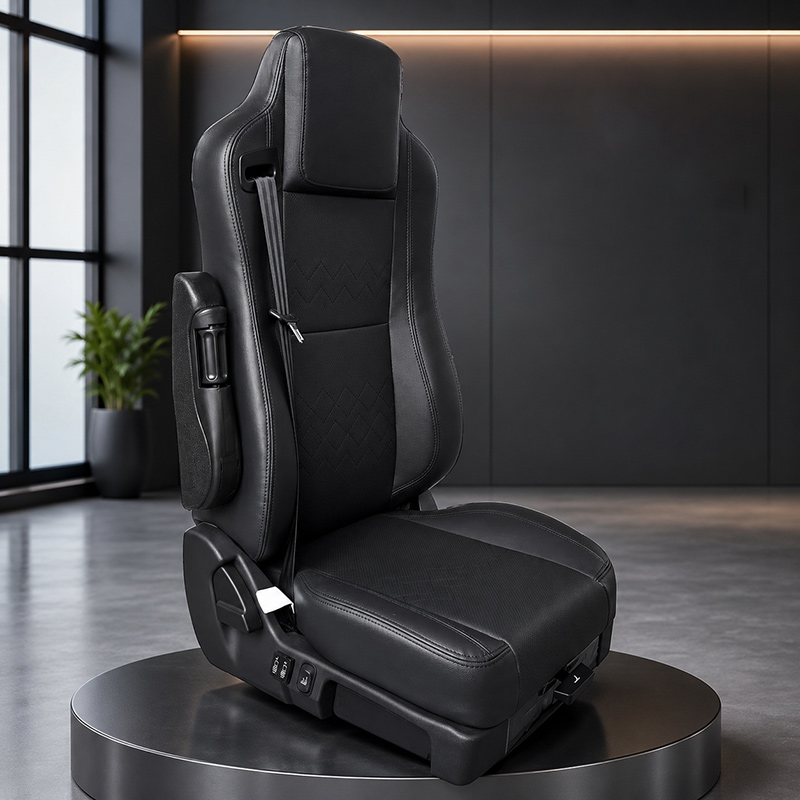
Aviation-style seats are designed with principles derived from the aerospace industry, where safety is non-negotiable. These seats incorporate advanced materials, intricate construction techniques, and state-of-the-art technologies that make them particularly effective for use in commercial transport applications. Their design aims to provide superior shock absorption, ergonomic support, and enhanced durability, making them ideal for challenging environments such as construction sites and agricultural fields.
## Core Technologies in Aviation-Style Seats
1. **Shock Absorption Mechanisms**
One of the standout features of aviation-style seats is their sophisticated shock absorption systems. These mechanisms are engineered to minimize the impact of vibrations and shocks that operators experience while driving or working in rough conditions. By utilizing springs, dampers, and advanced materials, these seats effectively reduce the strain on the body, thereby enhancing safety and reducing fatigue.
2. **Ergonomic Design Principles**
Ergonomics is another critical aspect that sets aviation-style seats apart. These seats are meticulously designed to conform to the natural curvature of the human body, providing optimal support for the spine and posture. By ensuring that operators maintain a comfortable position, these seats not only improve productivity but also lower the risk of musculoskeletal injuries—a common concern in sectors that require prolonged periods of sitting.
3. **Durability and Material Selection**
The durability of aviation-style seats is achieved through the use of high-quality materials that can withstand harsh environments. This includes heavy-duty fabrics, reinforced stitching, and robust structural components that resist wear and tear over time. In commercial transport, where vehicles are often exposed to elements like dust, moisture, and extreme temperatures, the longevity of seating solutions becomes a critical factor.
4. **Electric Air Suspension Technology**
High-end electric air suspension seats represent the pinnacle of innovation in the vehicle seat industry. These seats adjust dynamically based on the weight and movements of the occupant, providing a customized seating experience that enhances comfort and stability. The use of electric actuators allows for real-time adjustments, ensuring that operators are always seated in an optimal position, regardless of the terrain.
## Product Advantages of Aviation-Style Seats
### Enhanced Safety Features
The integration of aviation-style seats into commercial transport vehicles translates directly to improved safety outcomes. By effectively mitigating the effects of vibrations, reducing the risk of injury from sudden impacts, and providing supportive seating, these seats foster a safer working environment. For industries such as construction, agriculture, and logistics, where heavy machinery is operated, the advantages of enhanced safety cannot be overstated.
### Increased Productivity
Comfort directly correlates with productivity. Operators who are well-supported and comfortable are less likely to suffer from fatigue, allowing them to work more efficiently and safely. Aviation-style seats, with their ergonomic designs and shock-absorbing capabilities, help reduce discomfort, enabling operators to focus on their tasks without the distraction of physical strain.
### Versatile Applications
The versatility of aviation-style seats makes them suitable for a wide array of commercial vehicles, including loaders, excavators, tractors, and harvesters. Manufacturers can offer standard models for mass production or develop bespoke solutions tailored to the specific needs of clients. This adaptability ensures that businesses can find the right seating solutions to meet their operational demands.
### Aesthetic Appeal and Branding
Beyond functionality, aesthetic considerations also play a role in the choice of seating solutions. Aviation-style seats can be designed to align with a company’s branding, offering an opportunity to create a cohesive look across a fleet of vehicles. This not only enhances the visual appeal but also reinforces brand identity, which can be vital in competitive markets.
## The Future of Commercial Transport Seating Solutions
As the vehicle seat industry continues to evolve, the future looks promising for aviation-style seats. Ongoing R&D efforts are expected to yield even more advanced features, further enhancing safety, comfort, and durability. The increasing focus on sustainability will likely drive innovations in material selection and manufacturing processes, making these seats not only better for users but also for the environment.
### Industry Collaboration
Collaboration between professional seat manufacturers and vehicle producers is essential for the continued advancement of aviation-style seats. By working closely together, these entities can share insights, identify industry trends, and develop integrated solutions that address emerging challenges in commercial transport. This synergy will pave the way for the next generation of seating solutions that prioritize safety and user experience.
### Regulatory Compliance
With the tightening of safety regulations across various sectors, the demand for compliant seating solutions will grow. Aviation-style seats, already designed with safety as a cornerstone, are well-positioned to meet these requirements. As regulatory bodies continue to emphasize the importance of operator safety, the adoption of these advanced seats will likely increase.
## Conclusion
Safety is undeniably a critical component of commercial transport, and the integration of aviation-style seats represents a significant advancement in this regard. Through innovative design, advanced materials, and cutting-edge technologies, these seats offer unparalleled protection, comfort, and durability for operators across various industries. As we look toward the future, the continuing evolution of the vehicle seat industry promises exciting developments that will further enhance safety standards and user experiences. Investing in aviation-style seating solutions is not merely a choice; it is a commitment to prioritizing the safety and well-being of everyone involved in commercial transportation.